Iceland · Easter 2026 · 1–9 April
Land of Fire & Ice
Nine days at the mercy of nature — and grateful for every second
Reykjavik → Hella → Hofn → Jökulsárlón → Vik → Reykjavik 9 days · 5 travellers · 1 jinx finally broken
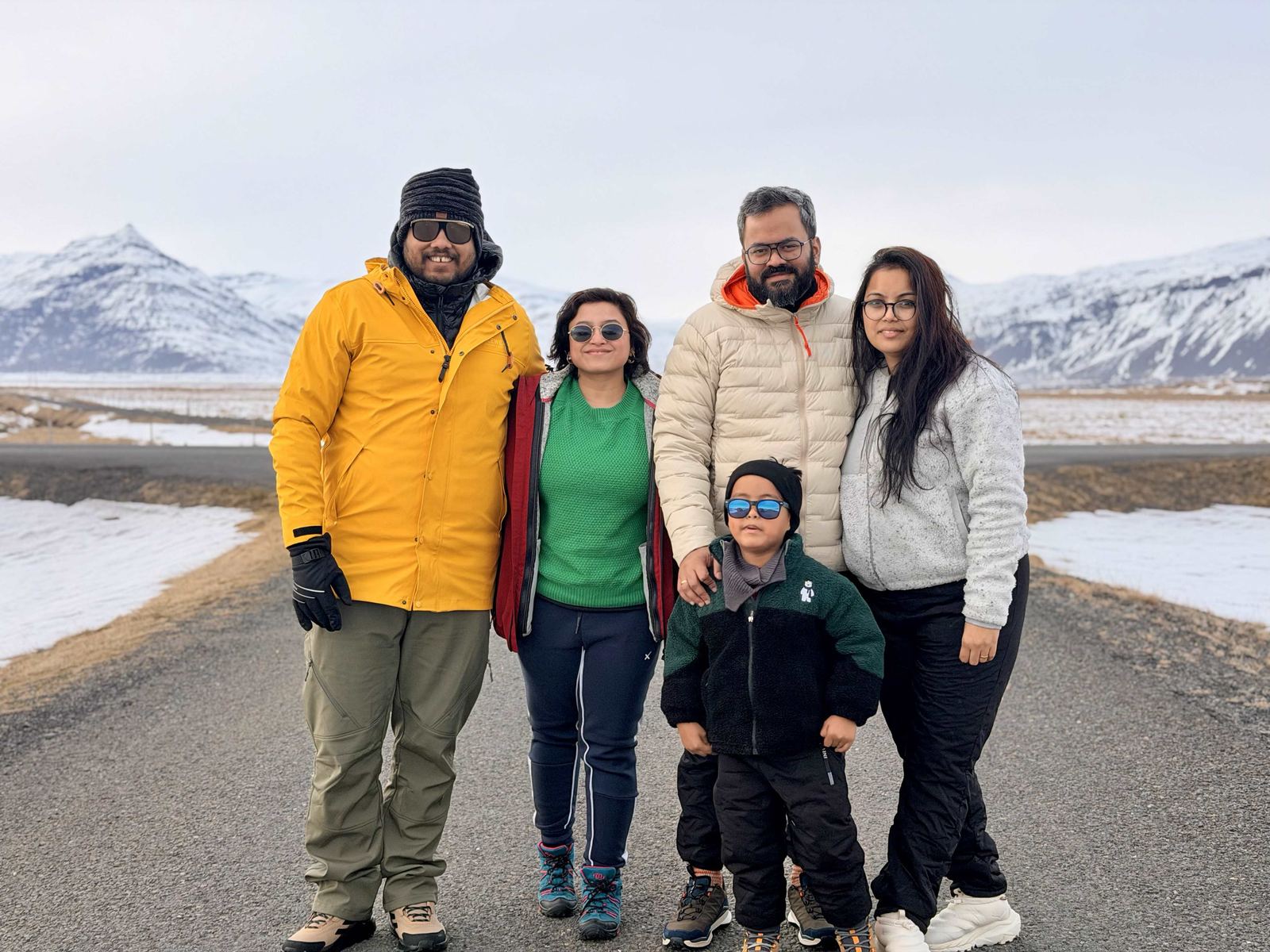
The crew Sucheta Utsav ♥ Deepa Prabhu Aveer
Day 1
Day 2
Day 3
Day 4
Day 5
Day 6
Day 7
Day 8
01
We Landed. Iceland Was White.
1 April 2026 · Reykjavik

This trip had been a long time coming. Iceland had been on the list for years — cancelled, postponed, jinxed every time the plans were set. Weather warnings, uncertainty, cancelled hotels. And yet here we were, finally, descending through clouds into a country that looked, from above, like it had been wrapped entirely in snow.

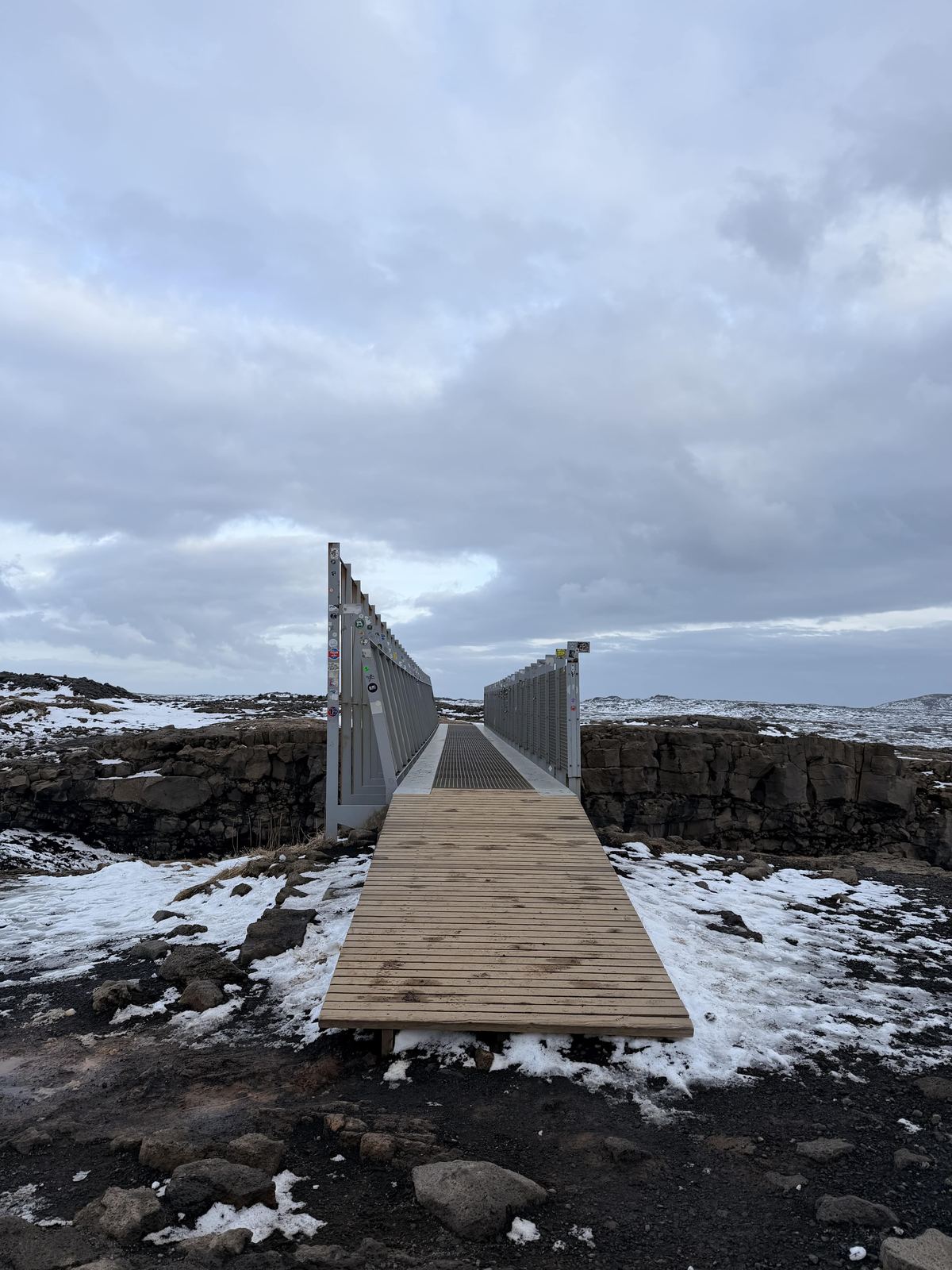
We picked up our car and drove straight to the first stop — the bridge between two continents, where the Eurasian and North American tectonic plates drift apart. Standing on something that exists at the literal edge of two worlds, with the wind doing its best to push us sideways, felt like the right way to begin.

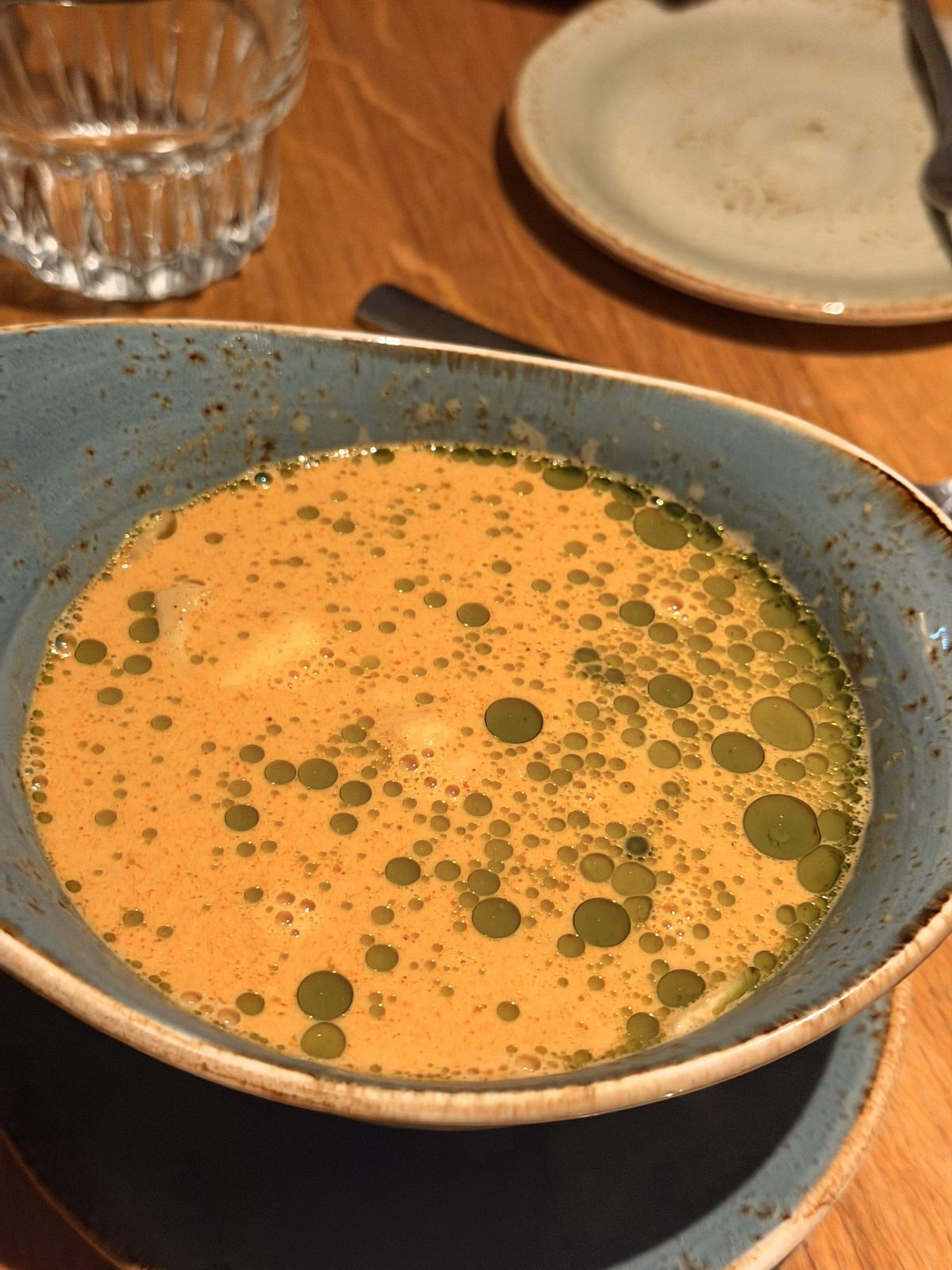
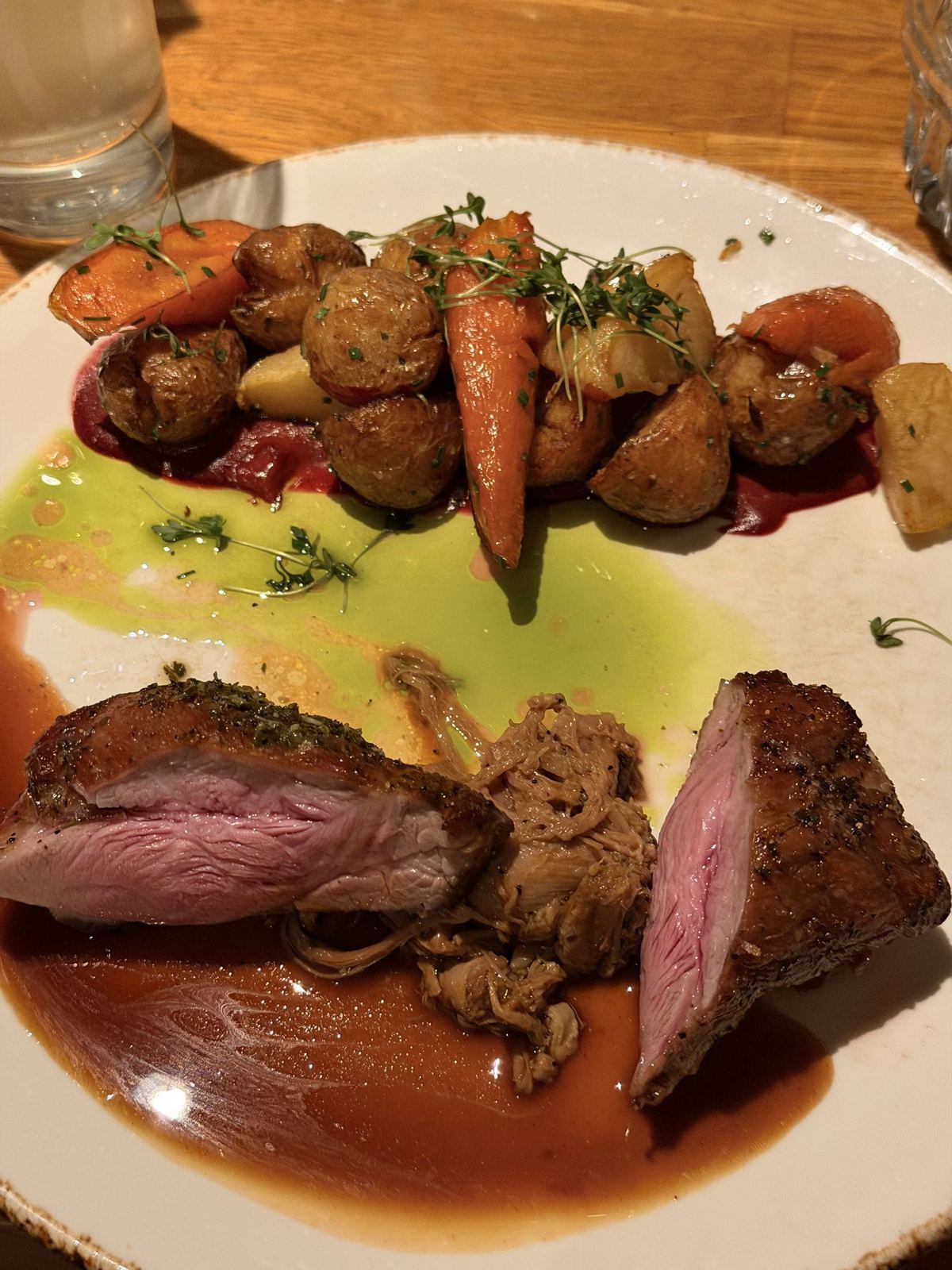
Fish soup and lamb. Order both. Every time. That's the Iceland rule.

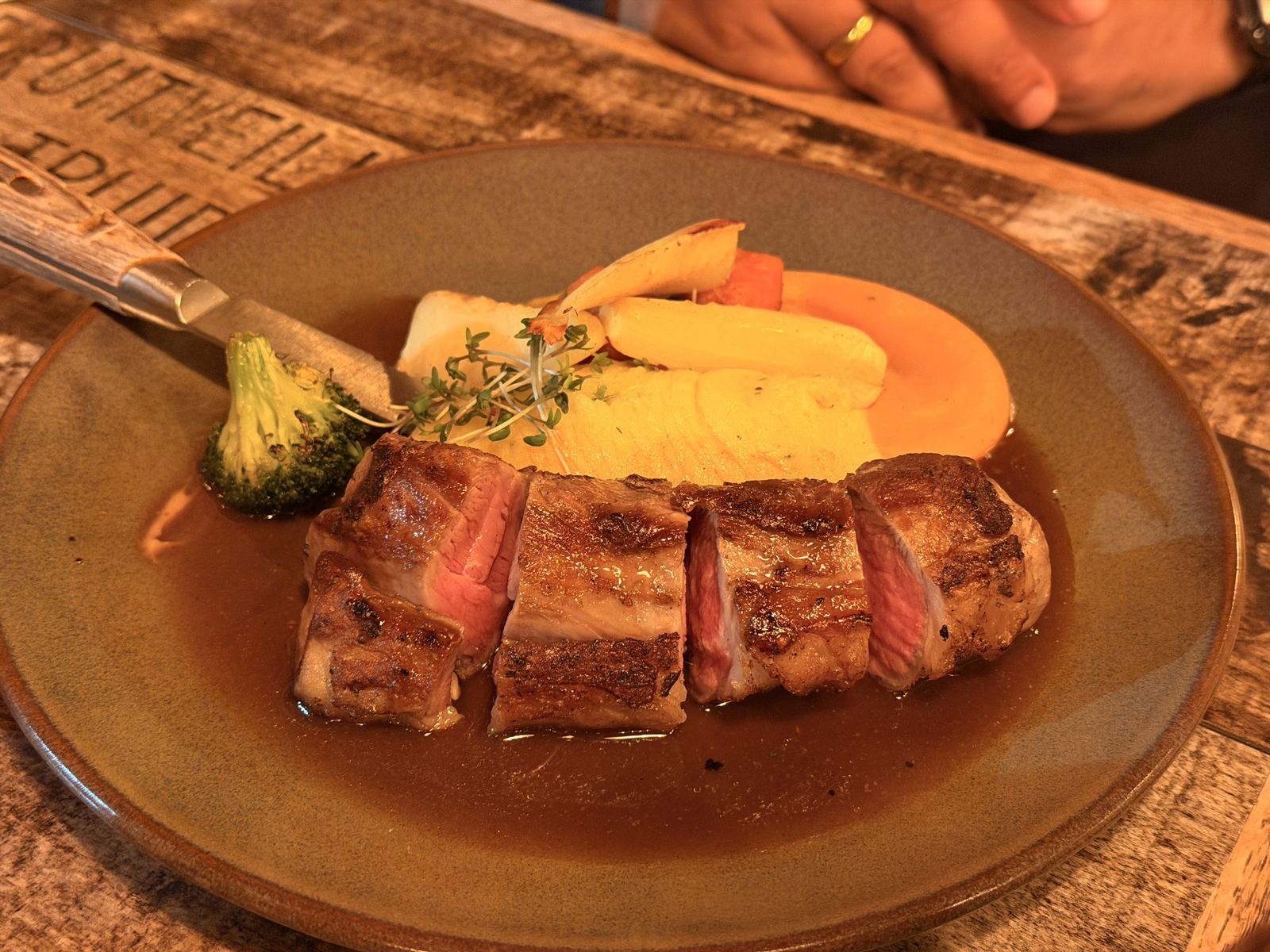
The country was on yellow warning, which meant wind — a lot of it. We ended the evening walking the city centre of Reykjavik, finding warmth and a proper meal. The fish soup arrived in a gorgeous bowl and tasted like the sea. The lamb, perfectly pink inside, was exactly what cold hands and an even colder evening called for.

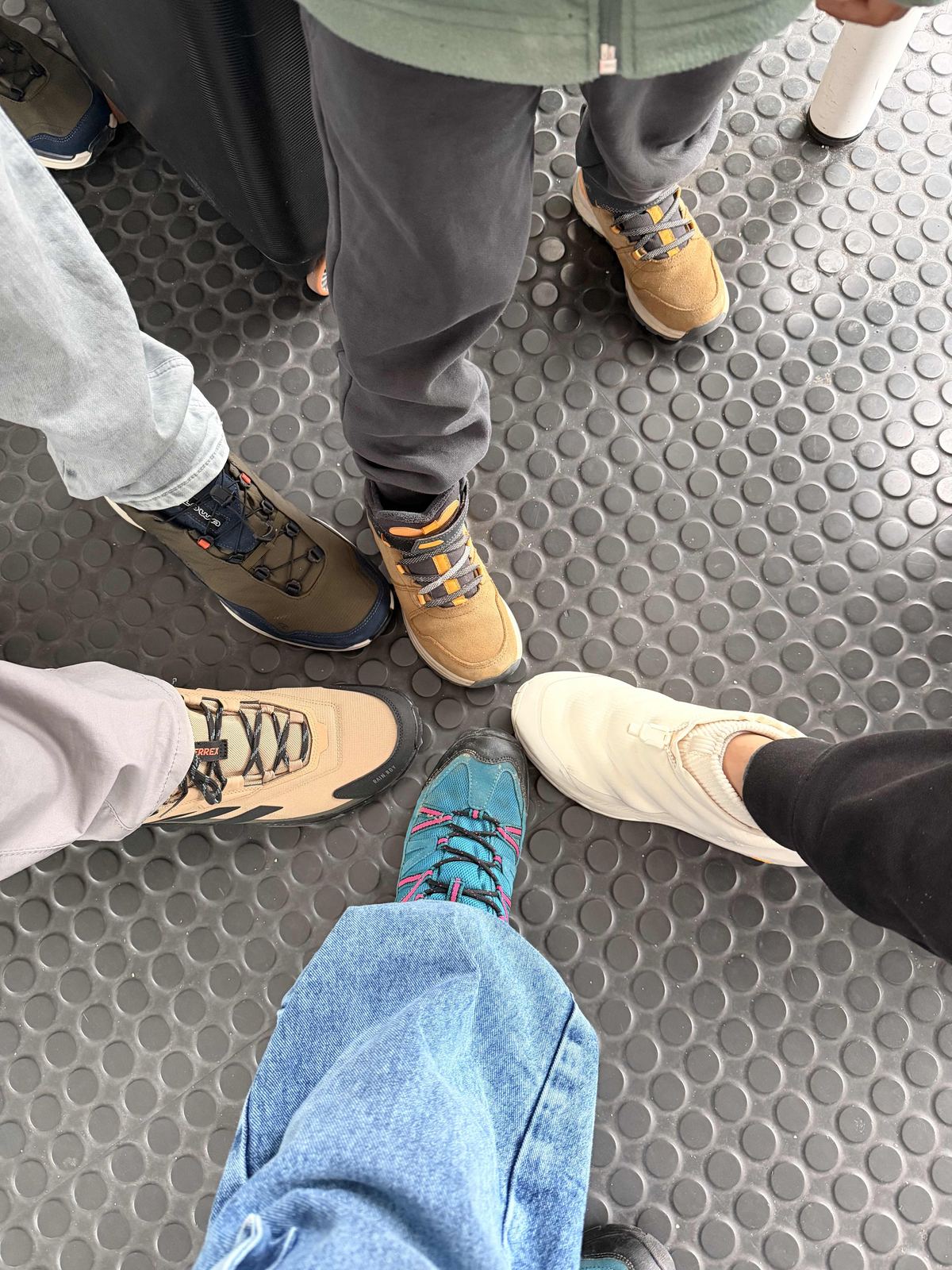
The crew — all shoes in a circle Europe-America tectonic bridge

The crew, geared up · The bridge between two continents

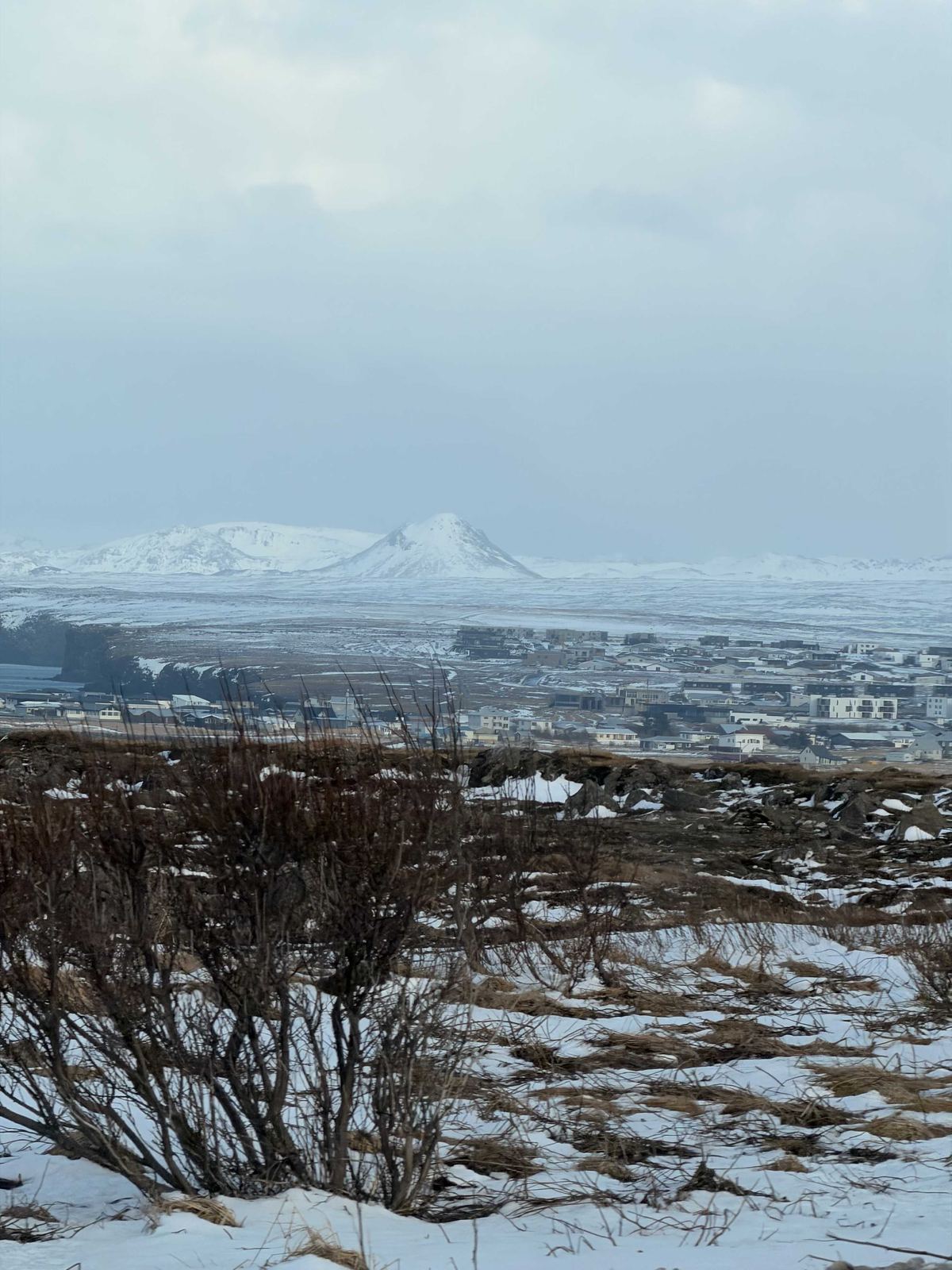
Reykjavik under snow

Iceland, seen from the hillside — a whole country under snow

Icelandic fish soup Icelandic lamb

Fish soup · Lamb — the two things you must eat in Iceland


02
Drive on Gut Feeling
2 April 2026 · Hella · Urriðafoss · Seljalandsfoss

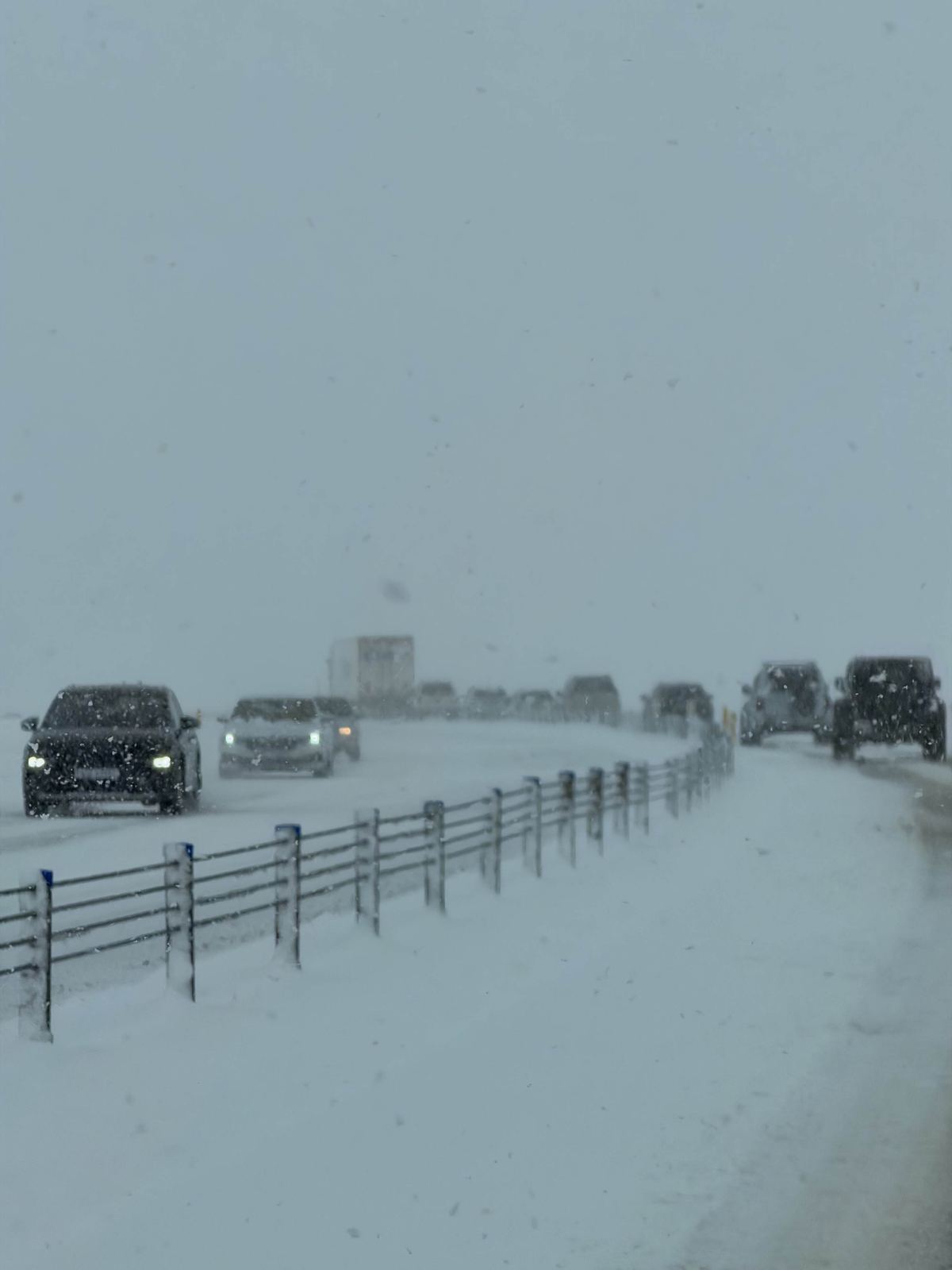
It had snowed through the night — heavily. The plan was to head towards Hella, but the roads looked brutal and we waited, hoping it would ease. It didn't. If anything, it got worse. So we made the call: go anyway.

What followed was one of the more nerve-wracking drives of the trip. Visibility was almost nothing. You could barely see the car ahead. We followed tail lights, trusted the road was still there beneath the white, and kept moving. And then — almost without warning, as we approached Hella — the snow stopped, the sky lifted, and everything changed.

We had been driving blind. And then Iceland revealed itself.

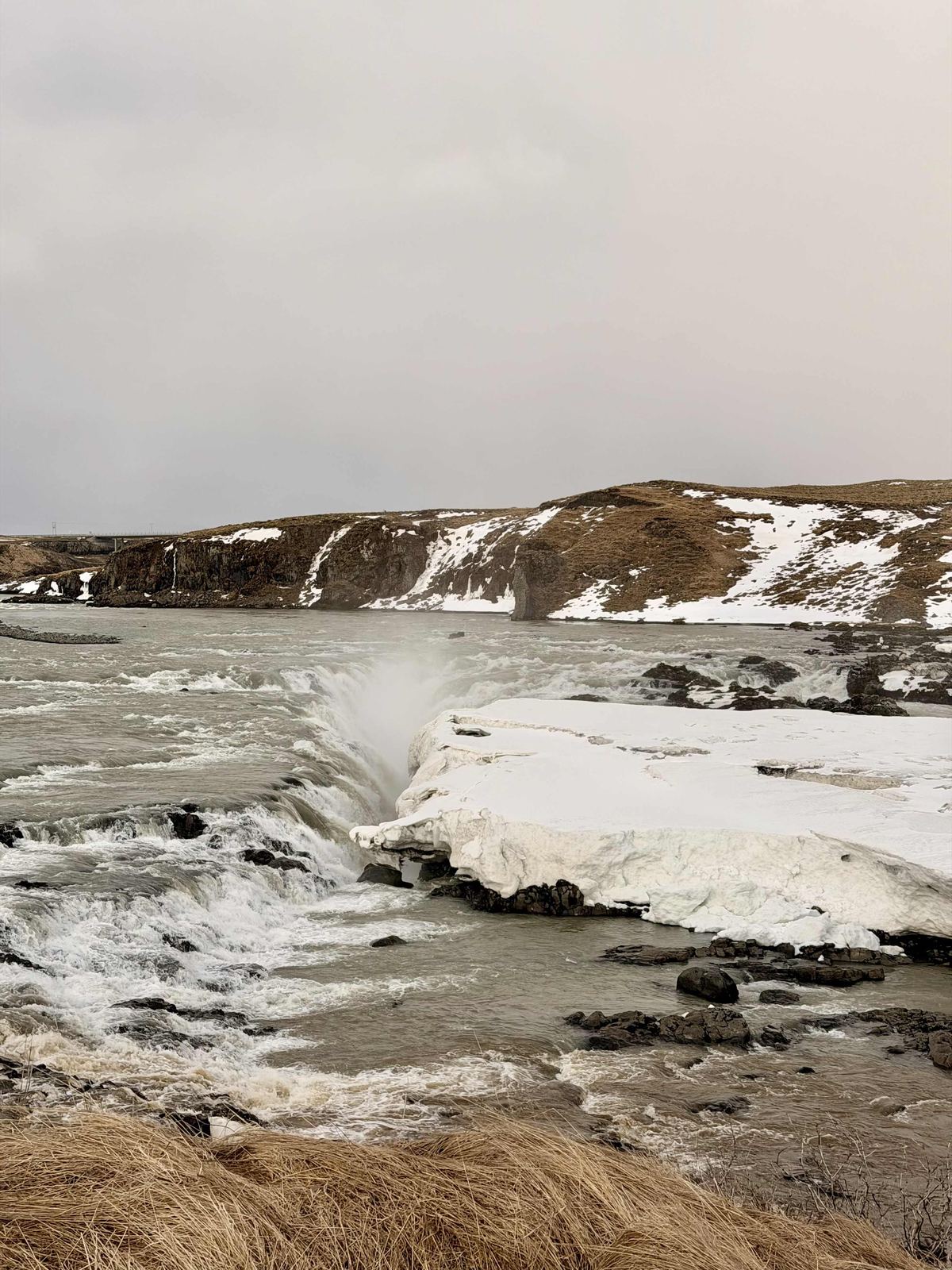
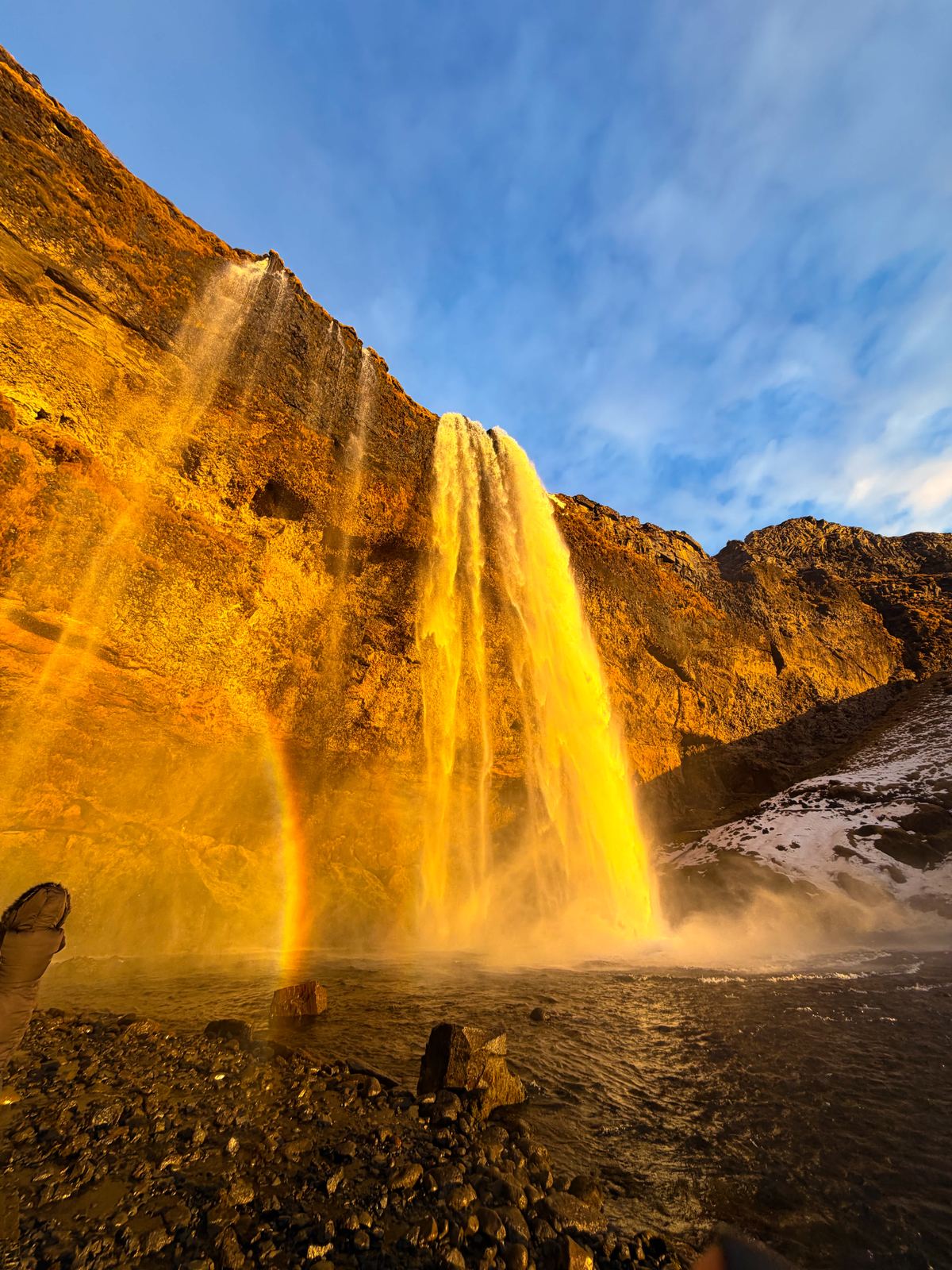
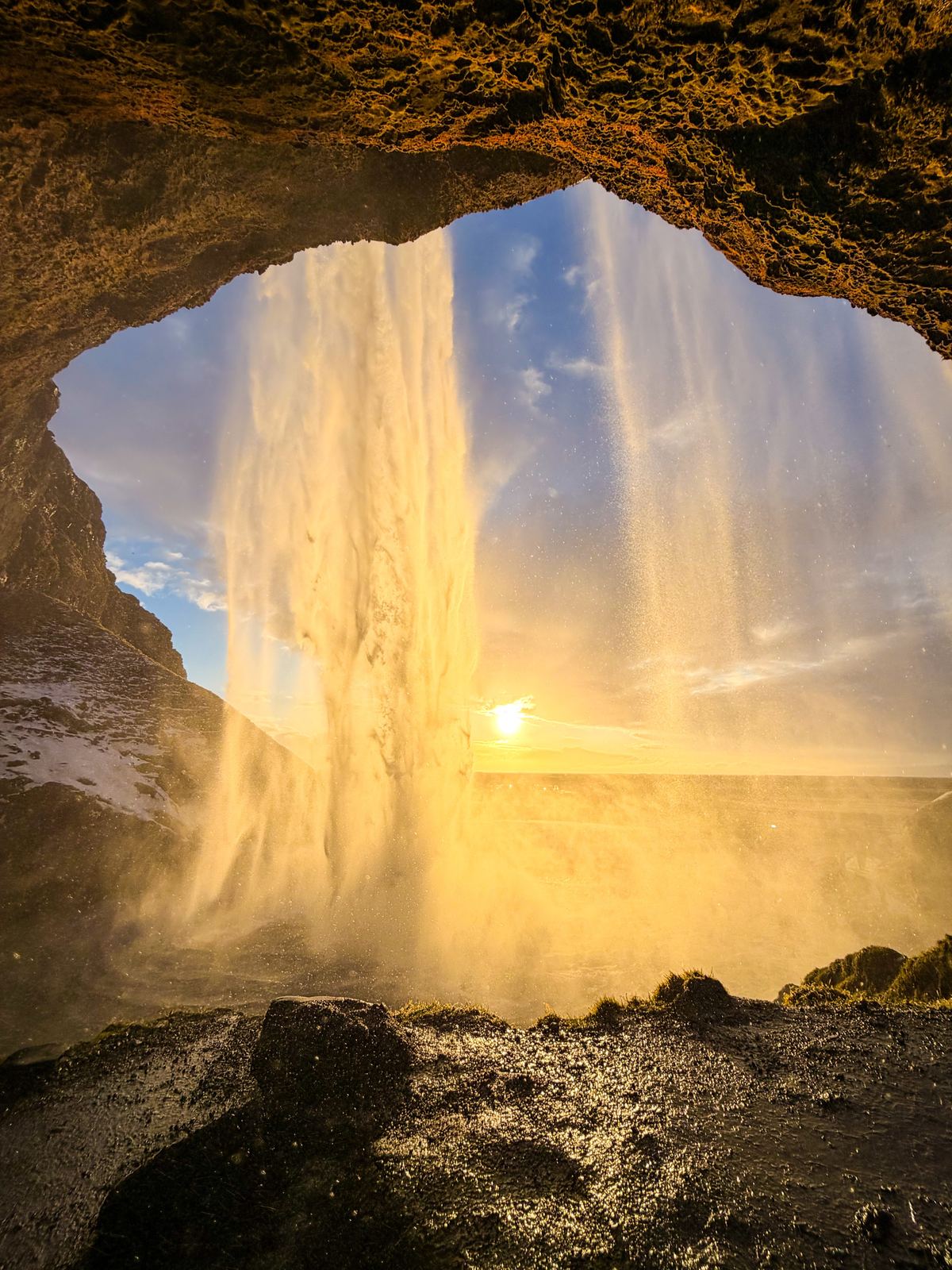
We checked in, caught our breath, and headed out for the afternoon. First stop: Urriðafoss — a waterfall with enormous volume, the kind that doesn't need height to impress. Then Seljalandsfoss, where you can walk behind the curtain of water. The sun had come out by then and hit the waterfall at exactly the right angle. The whole cliff face glowed amber. A rainbow appeared in the mist. And then we walked behind it and watched the sun set through the water.

We thought the day was done. Then the weather cleared further that evening, and the northern lights appeared — our first glimpse, unexpected and completely unplanned.

White-out drive to Hella

The drive to Hella — near-zero visibility, following tail lights

Urriðafoss waterfall Iceland landscape en route

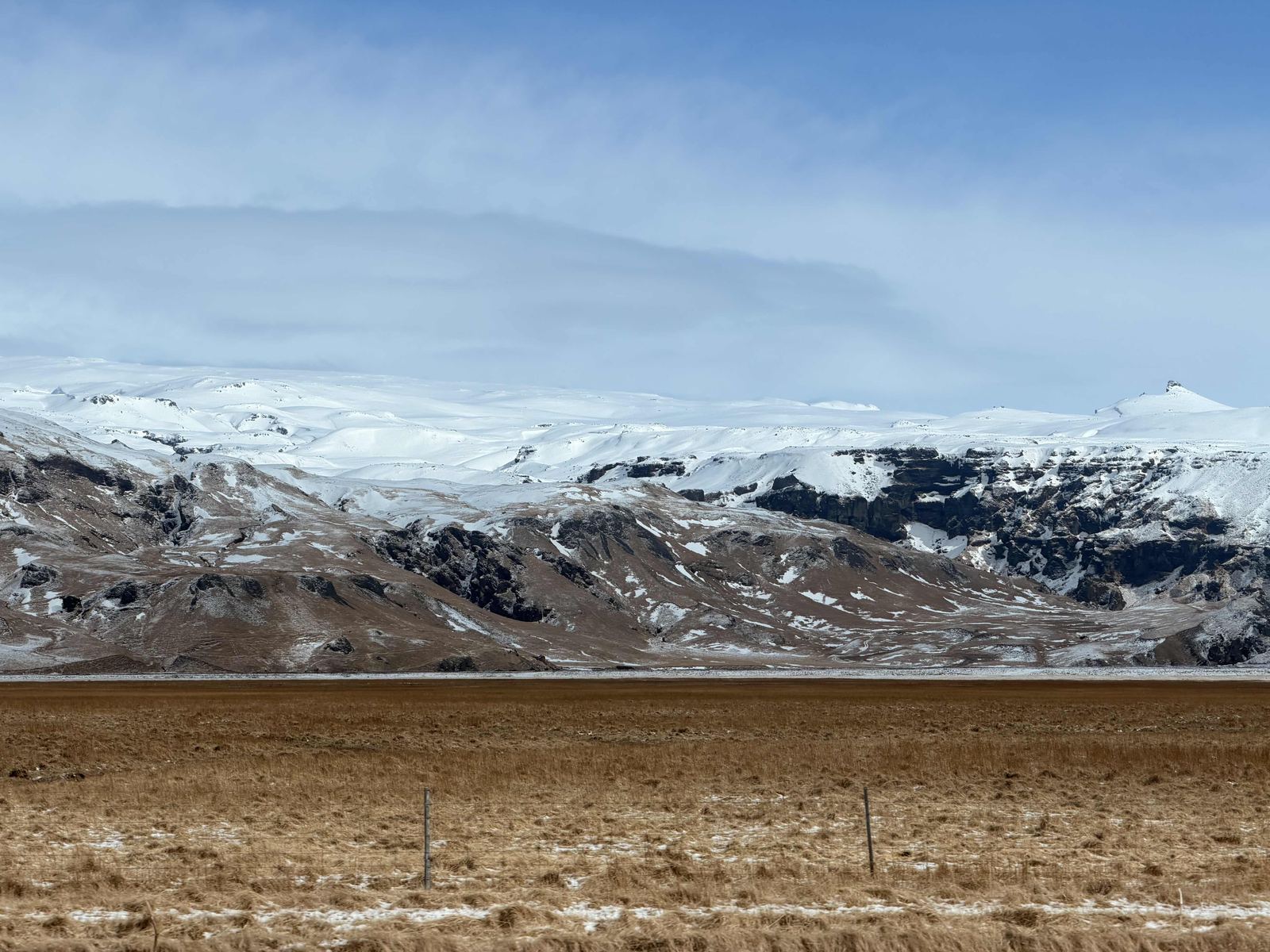
Urriðafoss — sheer volume · The south coast opening up

Seljalandsfoss with rainbow at golden hour Behind Seljalandsfoss at sunset

Seljalandsfoss at golden hour — rainbow in the mist · Sunset watched from behind the falls

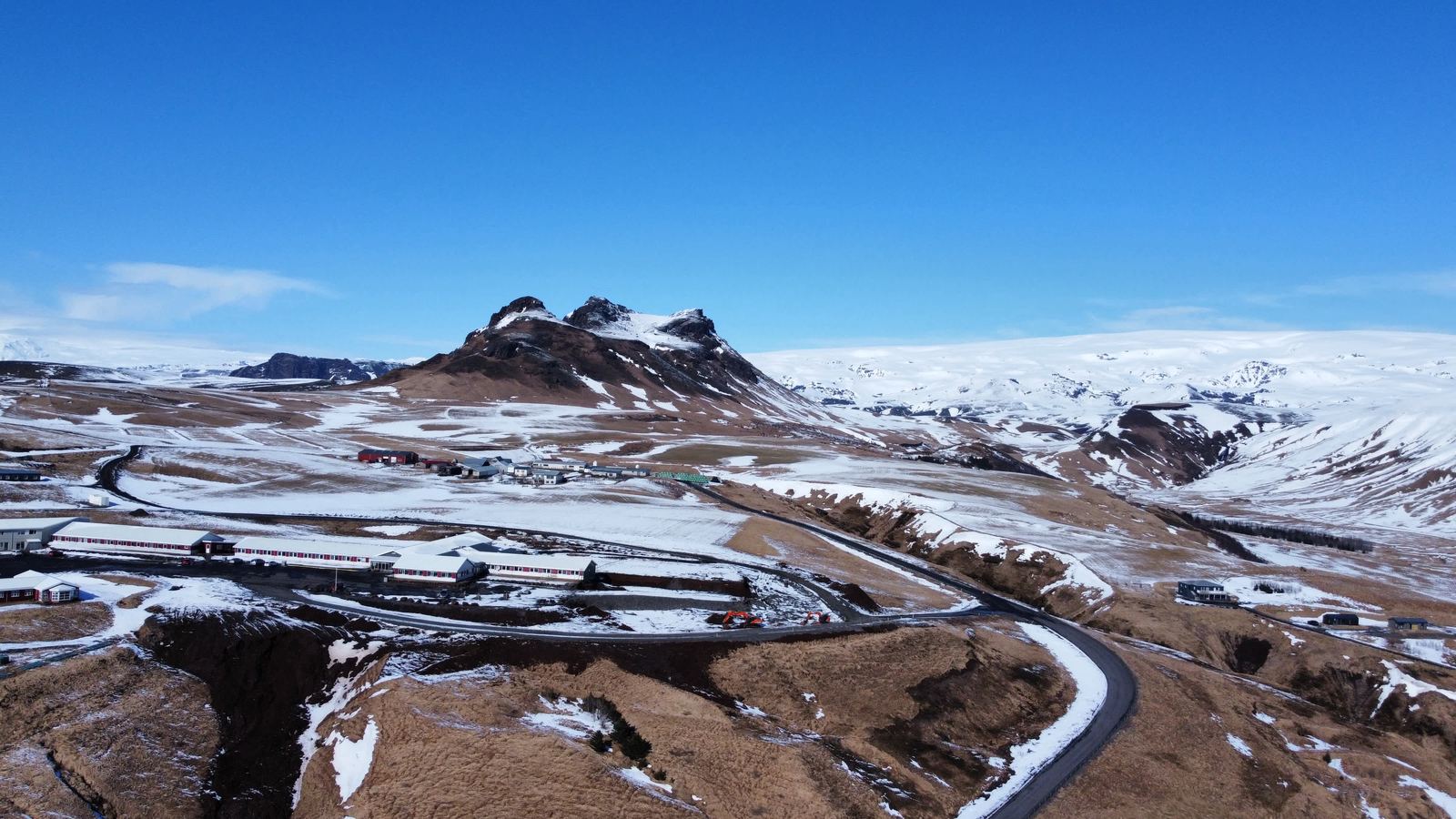
Aerial view of the area near Hella

Drone view — the landscape around Hella


03
The Golden Circle, All in White
3 April 2026 · Thingvellir · Geysir · Gullfoss · Kerið · Northern Lights

The Golden Circle is Iceland's most famous route — and for good reason. What we didn't expect was to do it entirely under a fresh coat of snow, which turned what is usually scenic into something genuinely breathtaking.

Thingvellir National Park came first — the rift valley where the tectonic plates also surface on land, a place of geological and historical weight. Standing at the top of the Almannagjá gorge, looking out over the snow-covered valley with mountains in the far distance, tiny figures of other visitors far below, it felt enormous and humbling.

Every viewpoint we reached looked like no photograph we had seen before. Snow changes everything.

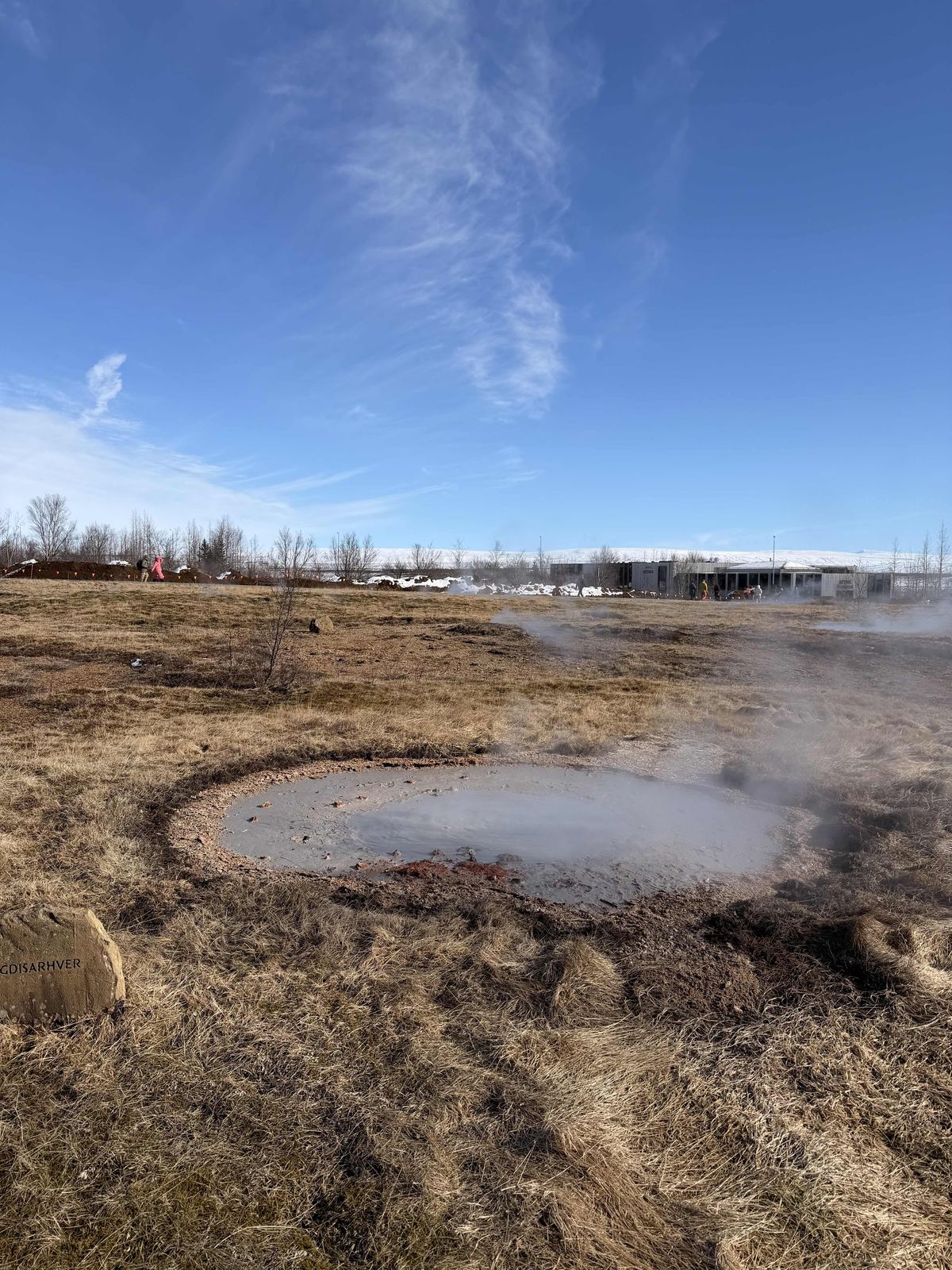
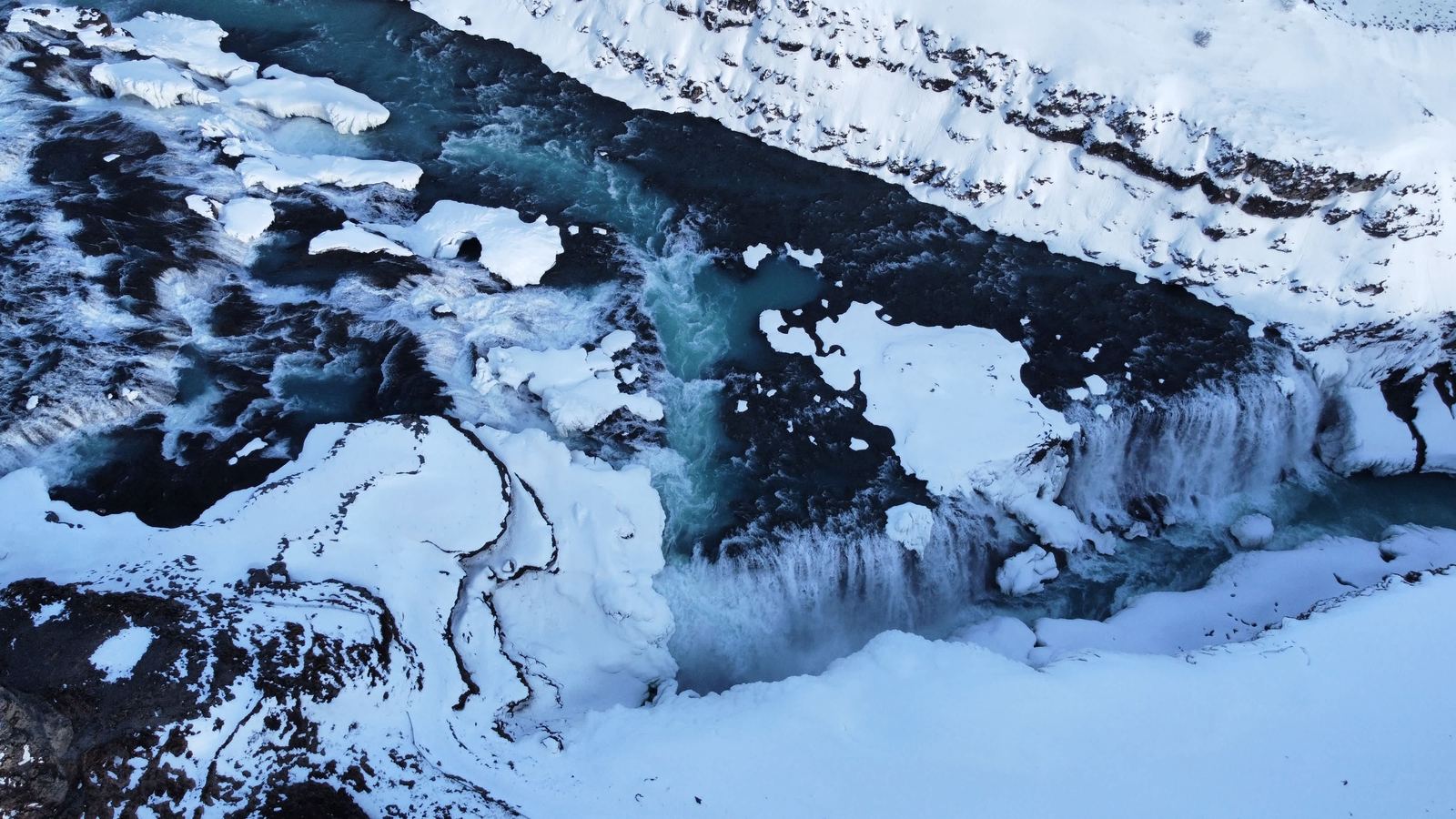
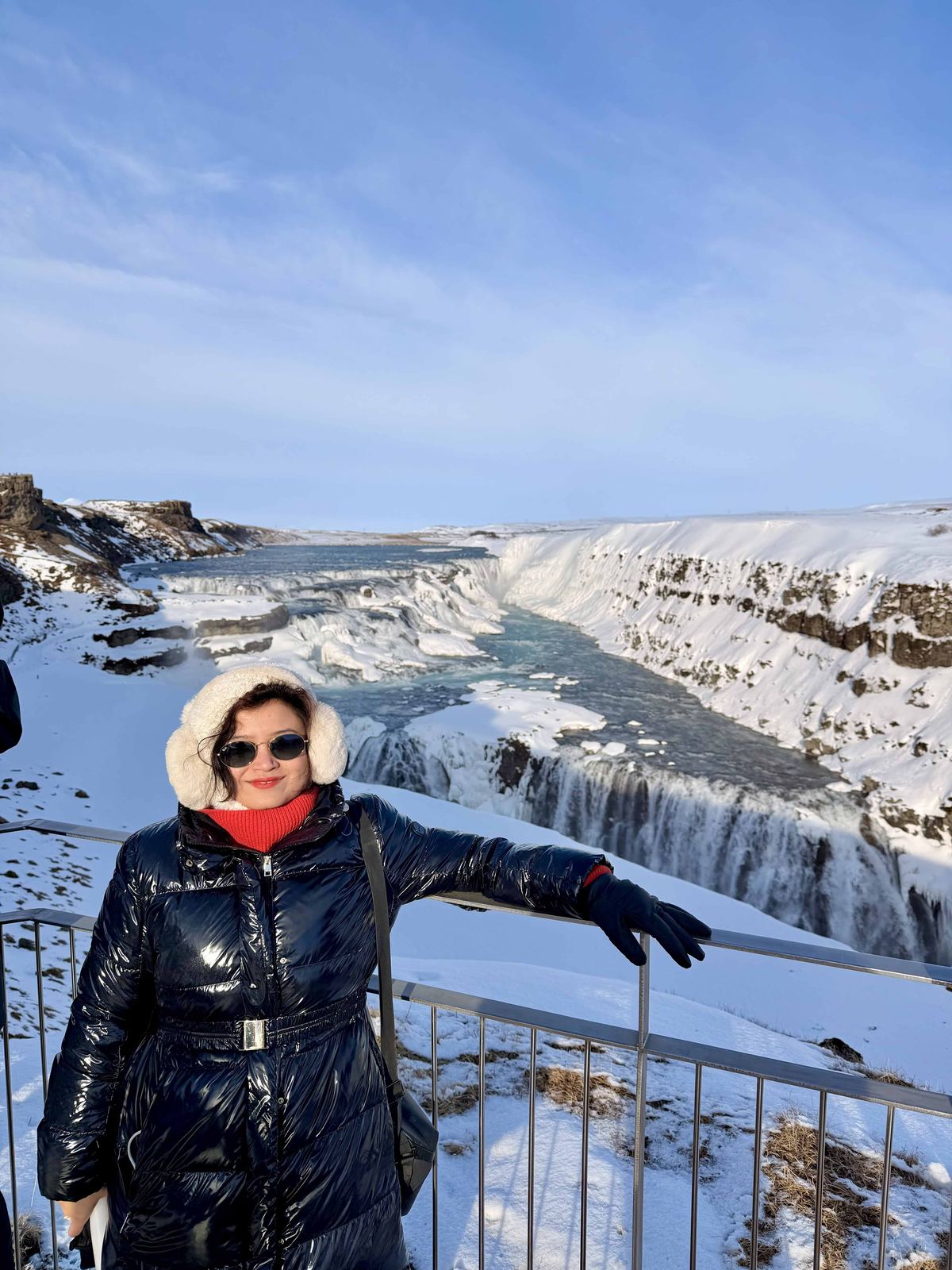
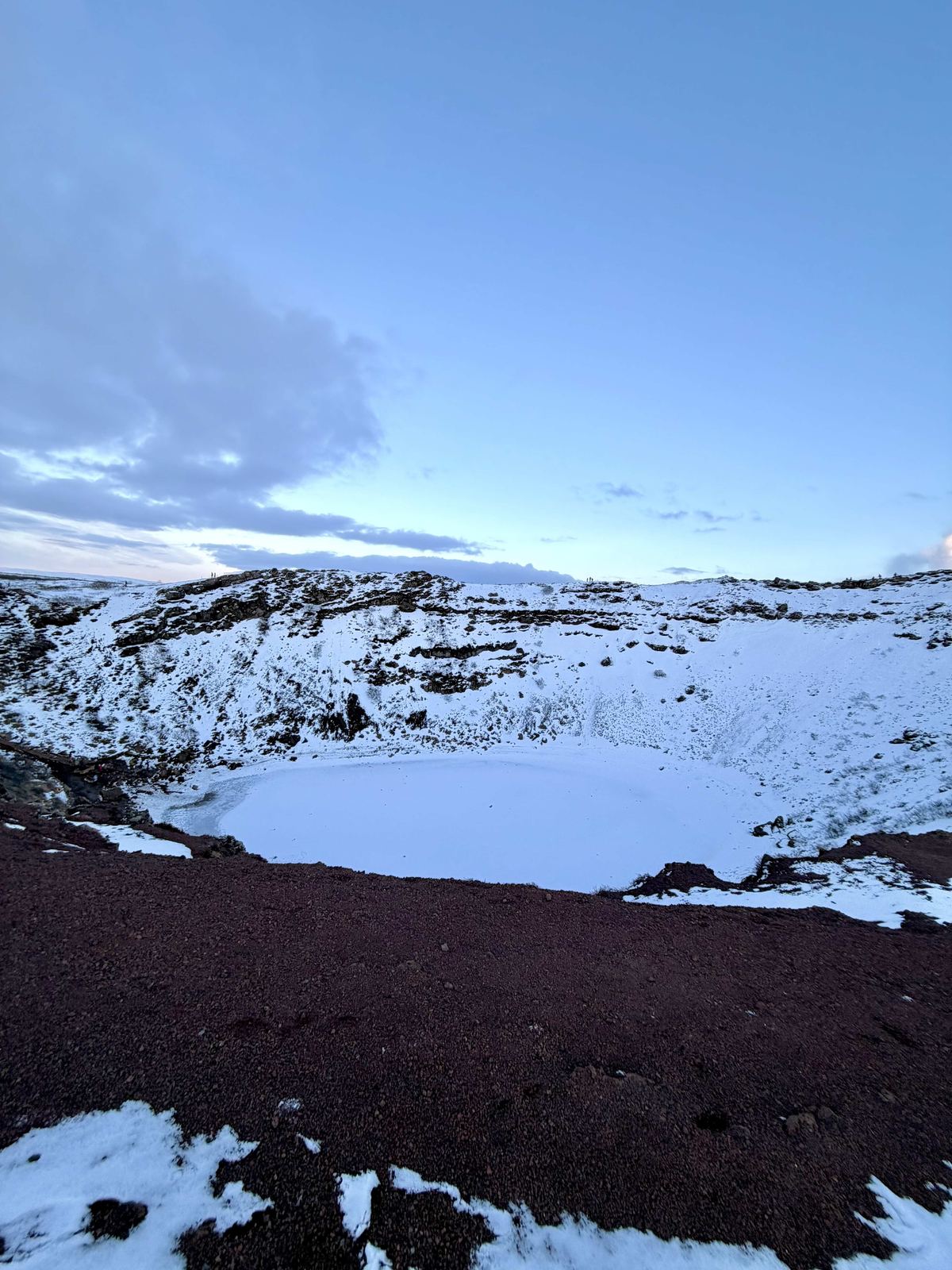
Then the Geysir hot spring area — steam rising from the ground against a bright blue sky, the earth bubbling quietly. Gullfoss next — photographed from a drone, it looked like turquoise ink pressed between sheets of white. At the viewpoint, standing in the sharp cold with the falls thundering below, it was hard to look away. And finally Kerið, the volcanic crater, its red walls dusted in snow, the frozen lake at the bottom sitting perfectly still.

The day could have ended there. Then the sky darkened, the clouds cleared, and the northern lights came out again — this time properly. Green and magenta, rippling overhead.
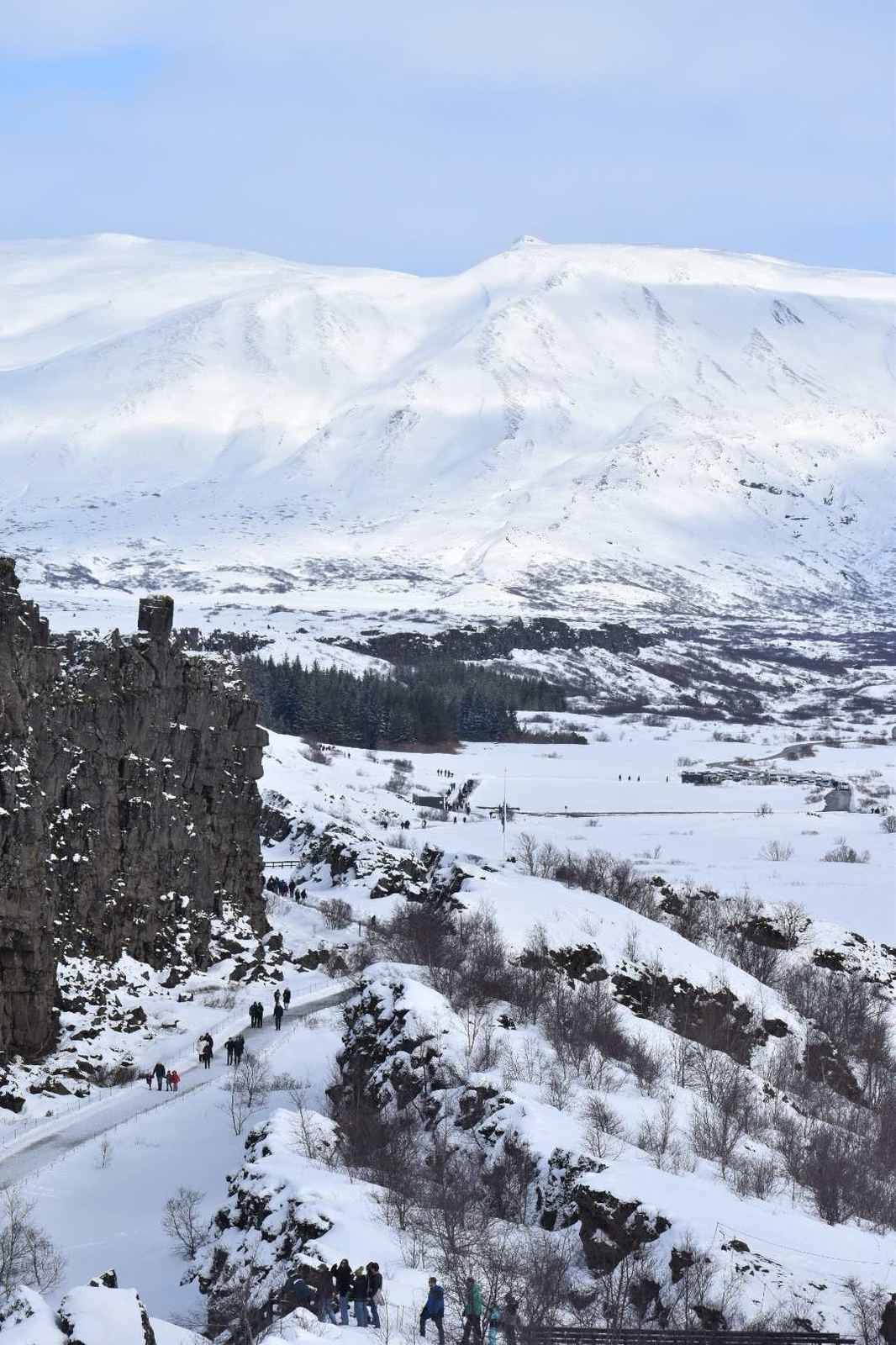
Thingvellir National Park panorama

Thingvellir — the valley, snow-covered, vast

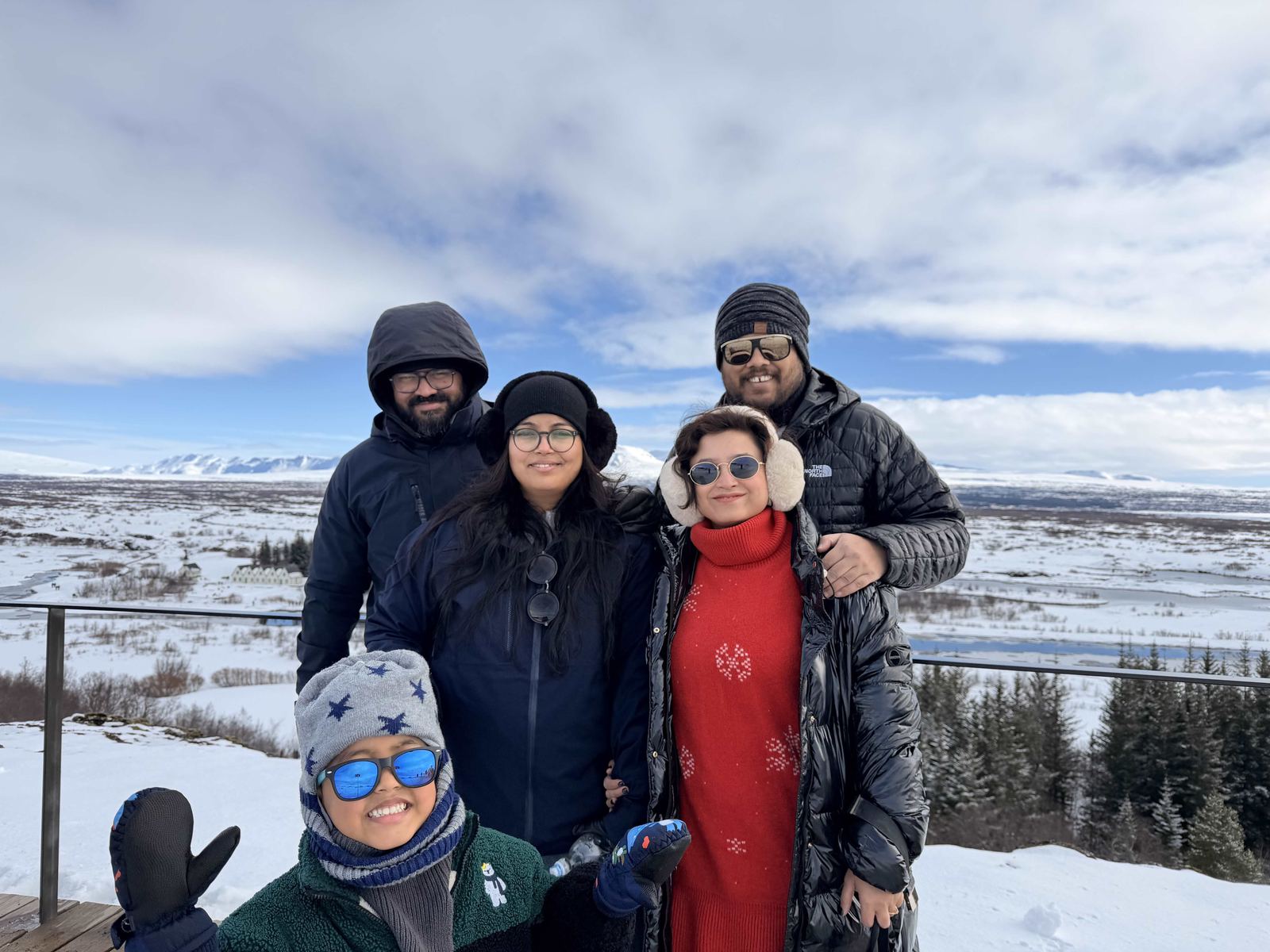
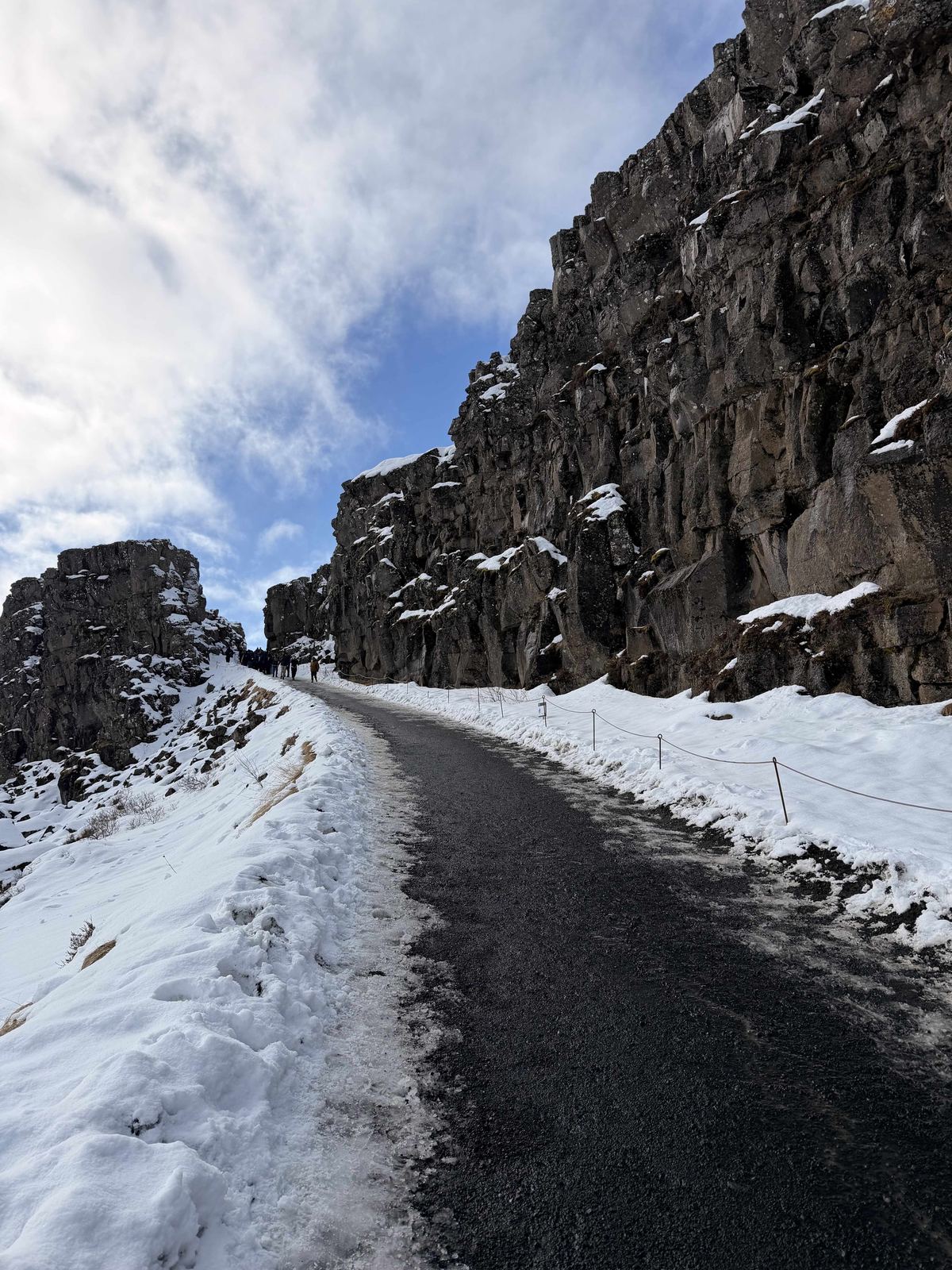
The full crew at Thingvellir — all five, snow-covered valley behind Almannagjá gorge — walking the path between basalt walls, snow on both sides Geysir hot spring — steaming pool, blue sky, dry golden grass

The full crew at Thingvellir · Walking the Almannagjá gorge · Geysir

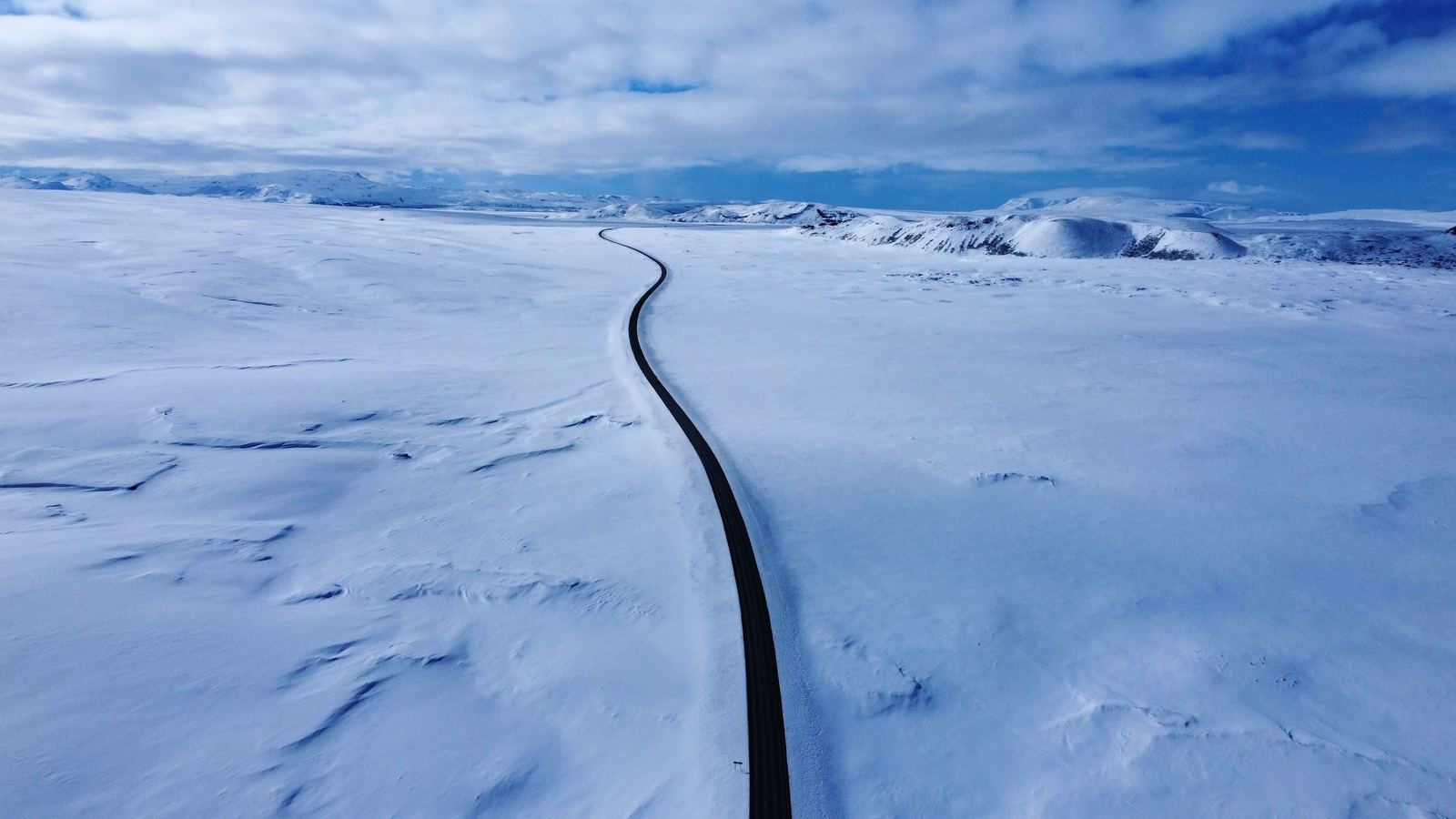
Aerial — lone road through white landscape Gullfoss aerial drone view

A lone road through the white · Gullfoss from above — turquoise cutting through snow

Sucheta at Gullfoss viewpoint Kerið volcanic crater

At Gullfoss — nothing between you and the falls · Kerið crater — red earth, frozen lake, dusk sky

We thought we were done for the day. Iceland had other plans.

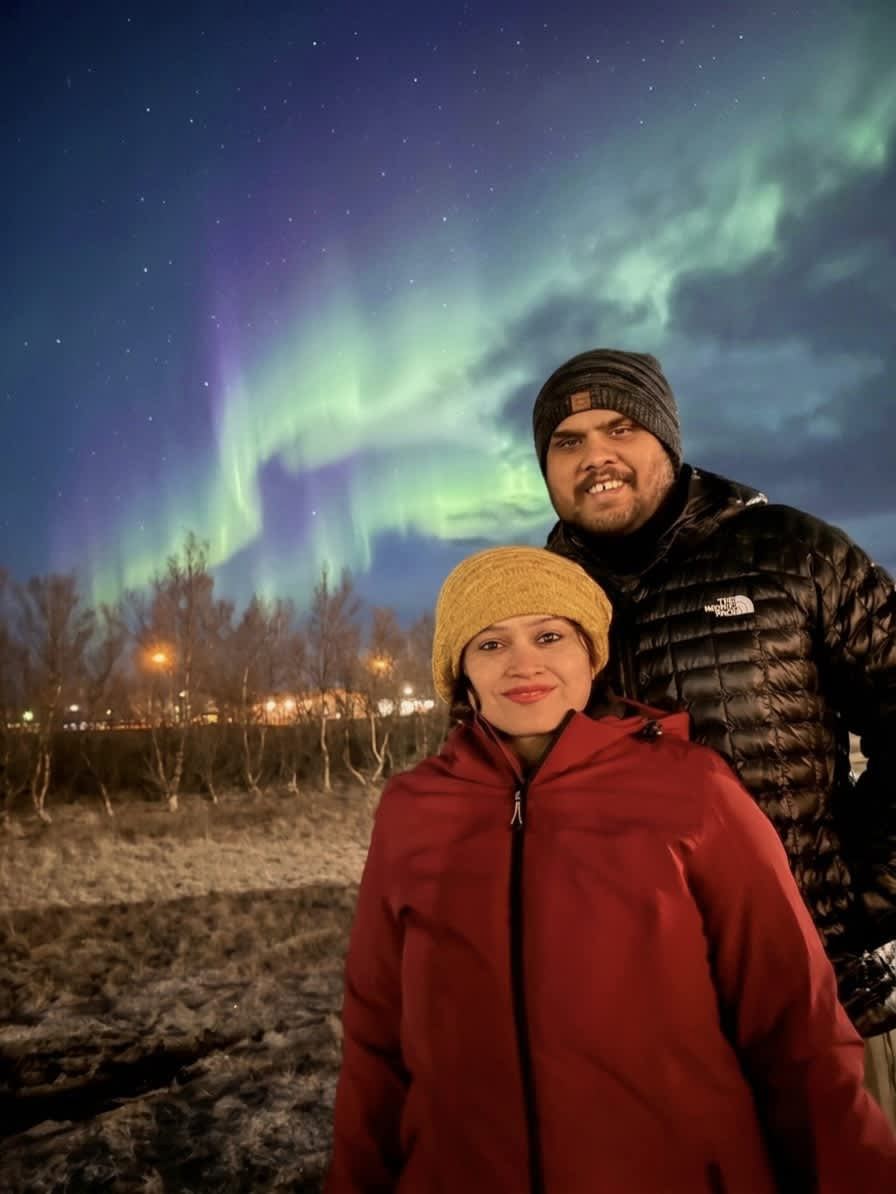
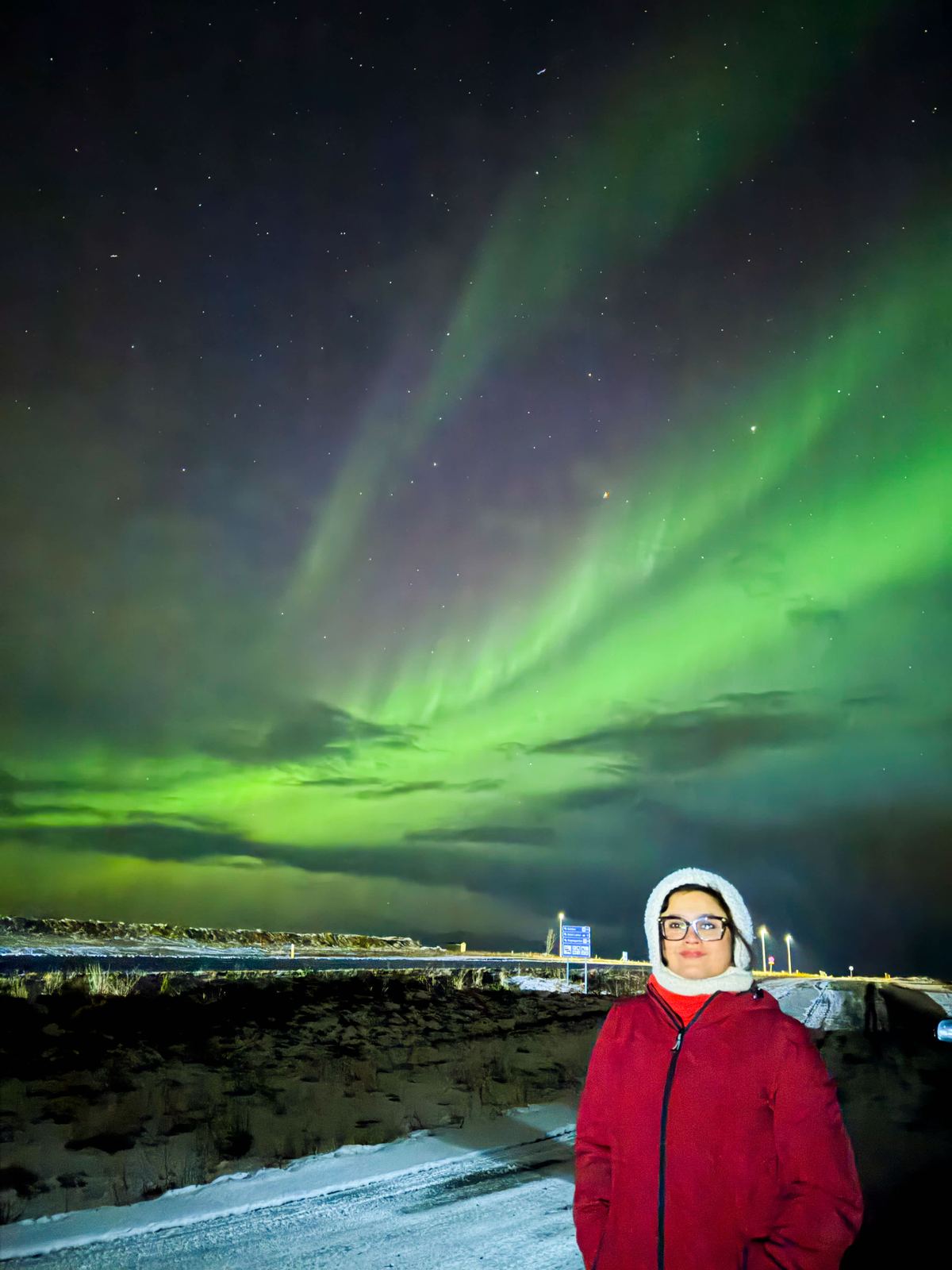
That evening, the sky did something we hadn't planned for — the northern lights don't work on a schedule. The temperature had dropped, the clouds had thinned, and someone stepped outside and said: come. Green ribbons first, then purple, then a wide sweep of magenta that covered most of the sky. We stood in the cold for a long time, phones raised, barely speaking. There are things the camera catches and things it doesn't. The silence, the cold, the sense of scale — those stay with you differently. But the photograph isn't bad either.

Sucheta and Utsav under the northern lights — green and purple aurora, bare trees, town lights behind Northern lights solo — green and magenta aurora filling the sky, person in red jacket below

Northern lights, Day 3 — green and purple · Green and magenta, swirling across the whole sky

04
Another Planet. Drive to Hofn.
4 April 2026 · Skogafoss · Vik · Vestrahorn · Hofn

The longest drive of the trip — and also the most dramatic shift in landscape. As we headed east, the mountains came closer. The terrain became starker, more barren, more powerful. Nothing around for miles. It felt like driving through a different planet. Or Narnia, but the cold kind without the lamppost.

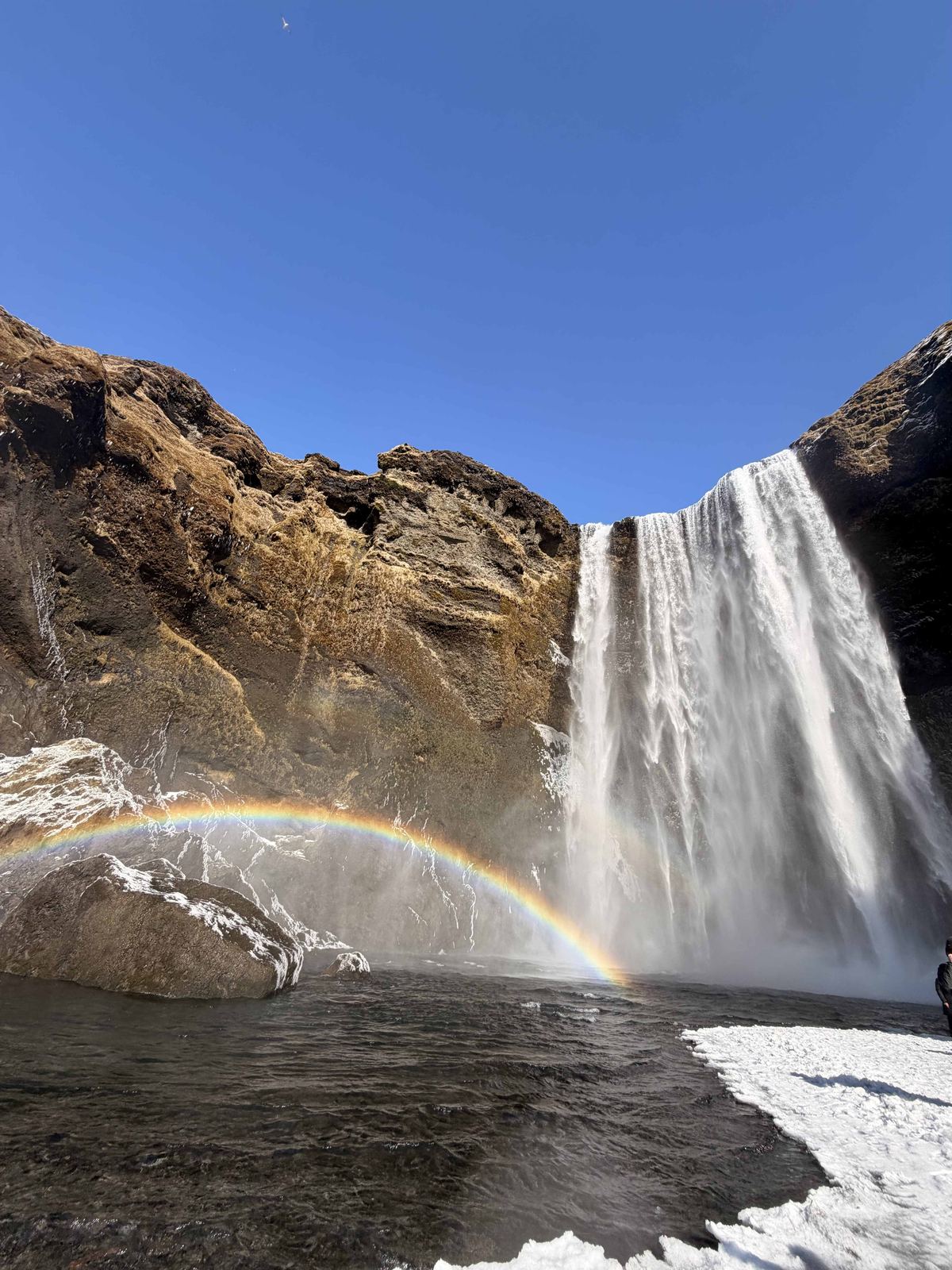
First stop was Skogafoss — the rainbow waterfall. You could see why it earned the name. Even in April, the sun at the right angle splits the mist into colour. The falls themselves are enormous, the roar of them constant.

We stopped on the side of the road for nothing in particular and stood there for a long time. That's Iceland — sometimes the unnamed view is the one you remember.

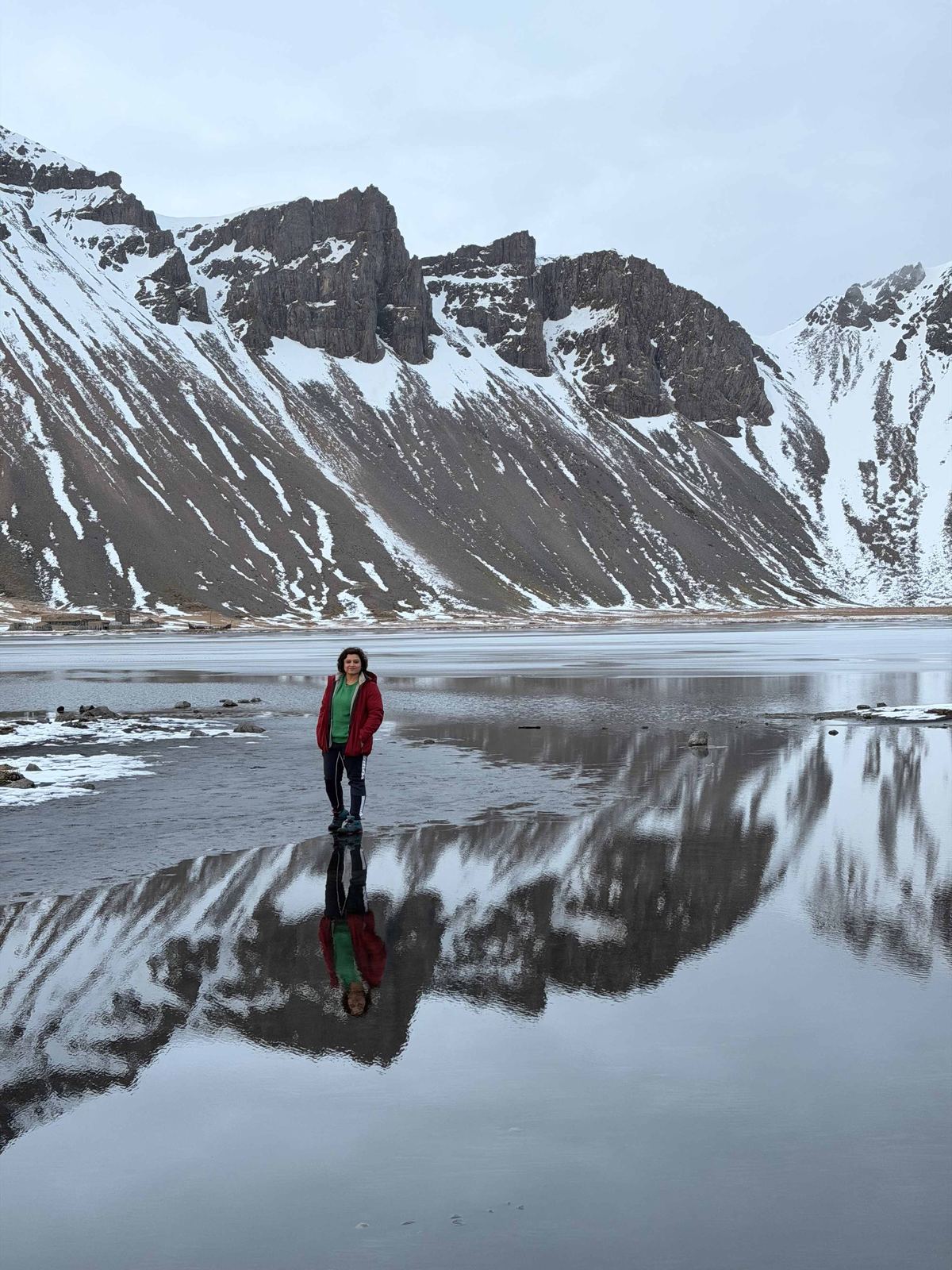
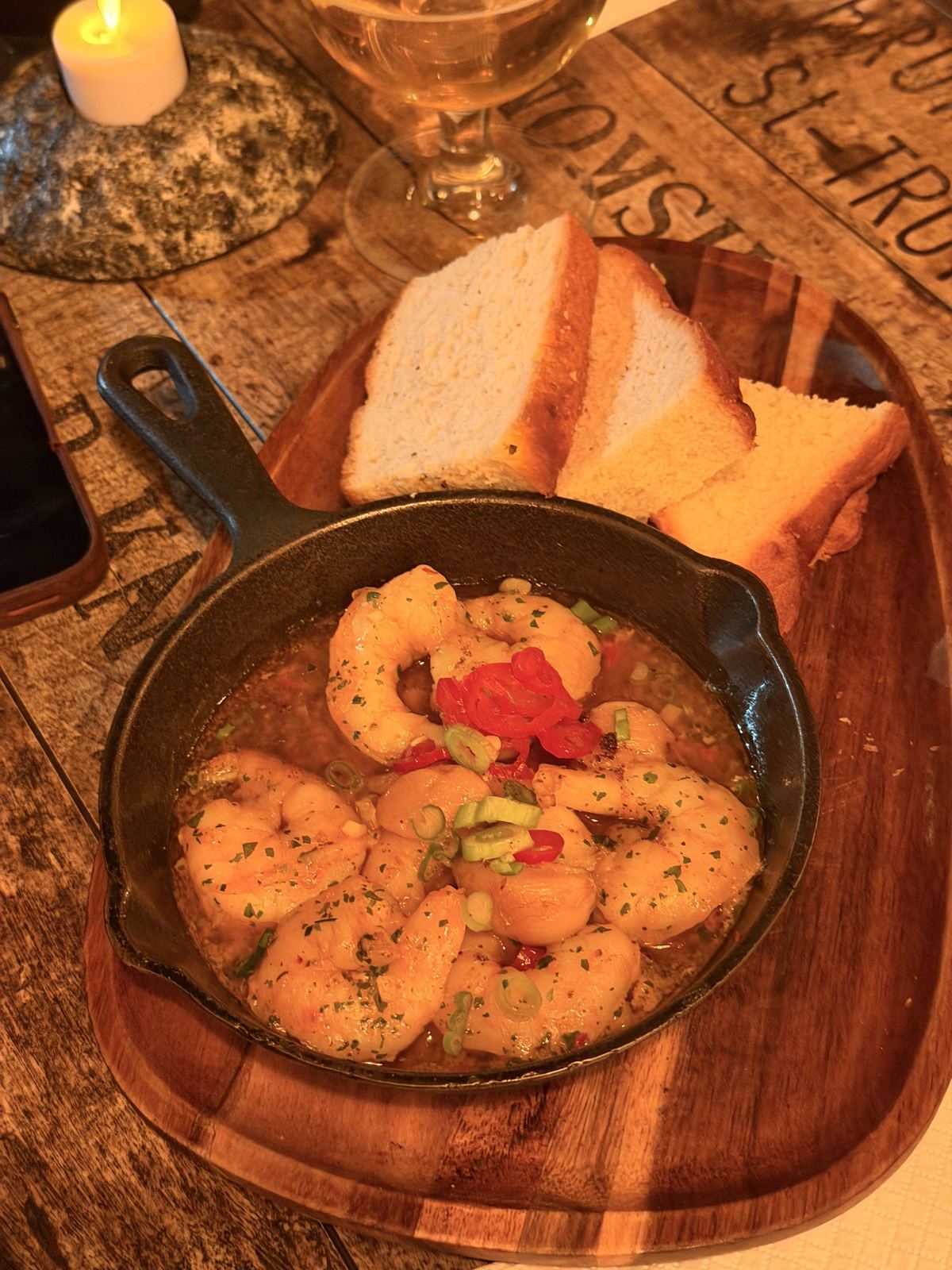
We passed through Vik and kept going east to Vestrahorn, where the jagged black mountain peaks rise dramatically behind a beach. The reflections weren't perfect — the water wasn't completely still — but the mountains themselves needed no mirror to be stunning. We also stopped at the Viking Village nearby. Then into Hofn for dinner at Pakkus, the harbour restaurant where the seafood is properly spectacular. The garlic shrimp arrived in a cast-iron skillet. The lamb, again, was pink and perfect.

Skogafoss — rainbow waterfall

Skogafoss — where rainbows live in the mist

Landscape en route to Hofn The whole crew — group photo

The landscape narrows and closes in · The whole crew, somewhere spectacular

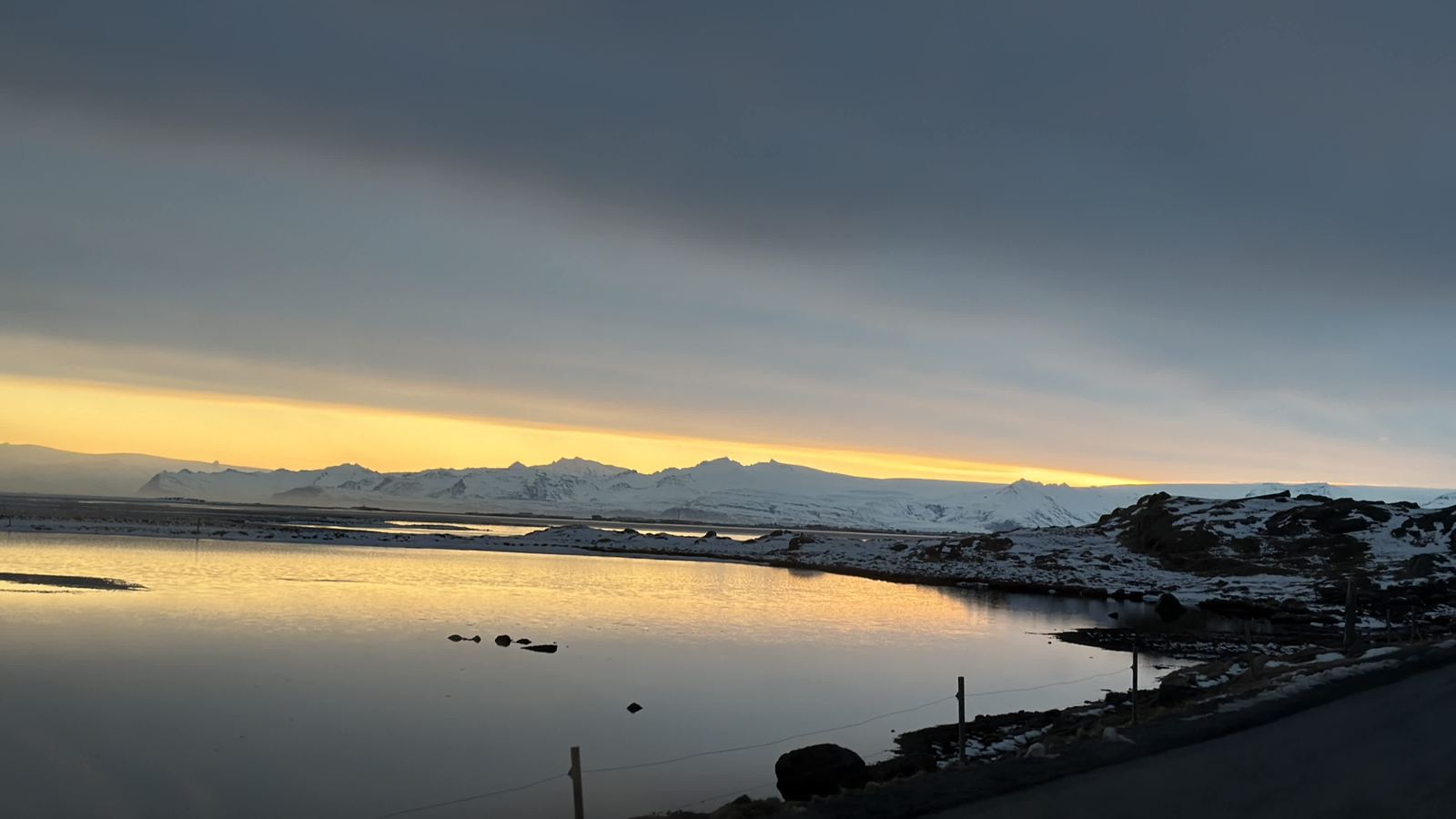
Dusk mountains — soft blue light Sunset on the road to Hofn

Dusk catching the peaks · The road east, at sunset

Sucheta at Vestrahorn with reflection

Vestrahorn — the reflection that didn't need to be perfect

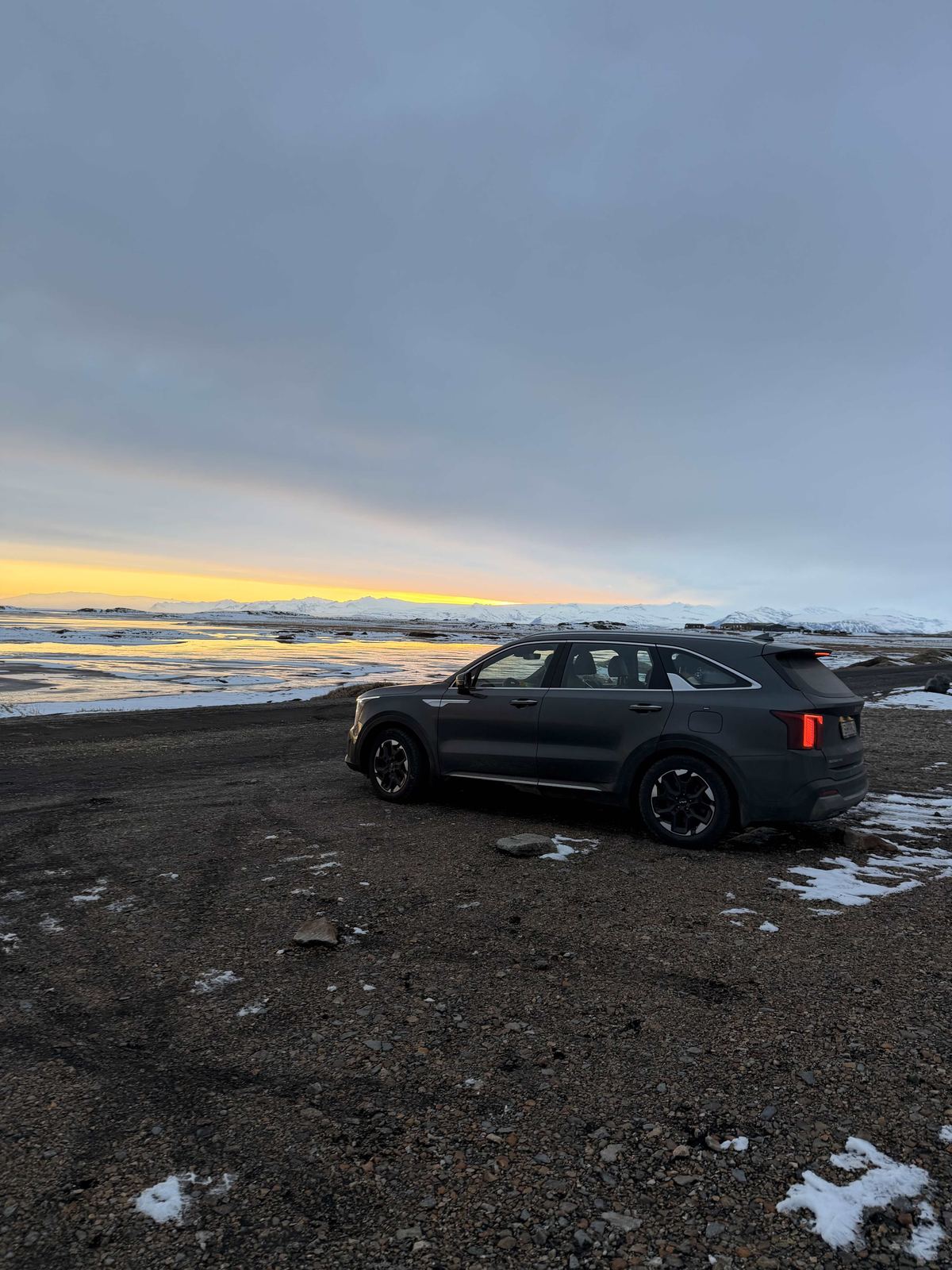
The car at golden hour by the water Dinner at Pakkus, Hofn

The car at golden hour · Dinner at Pakkus — the garlic shrimp is non-negotiable


05
Icebergs, Diamonds & a Cave
5 April 2026 · Jökulsárlón · Diamond Beach · Ice Caves

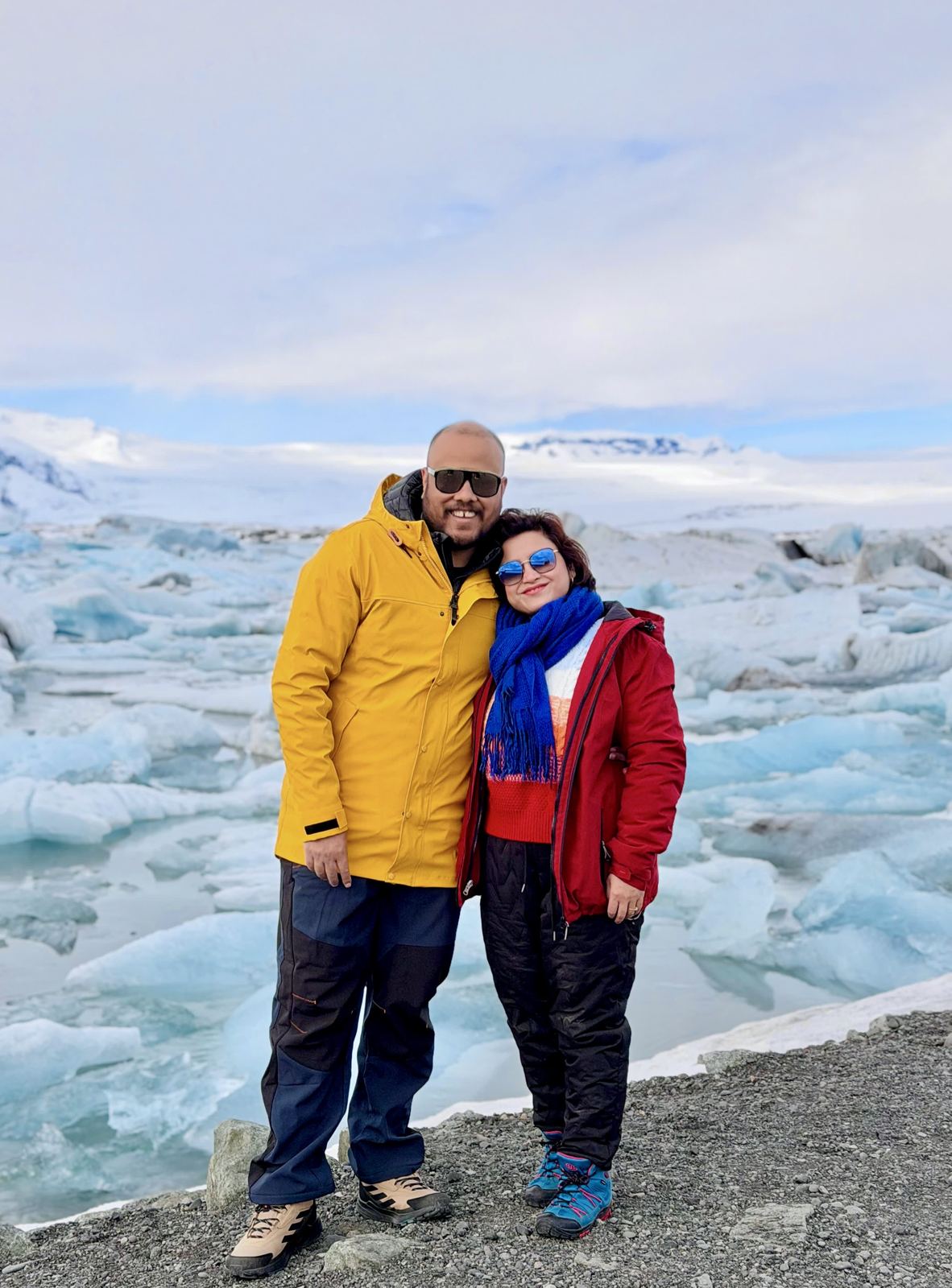
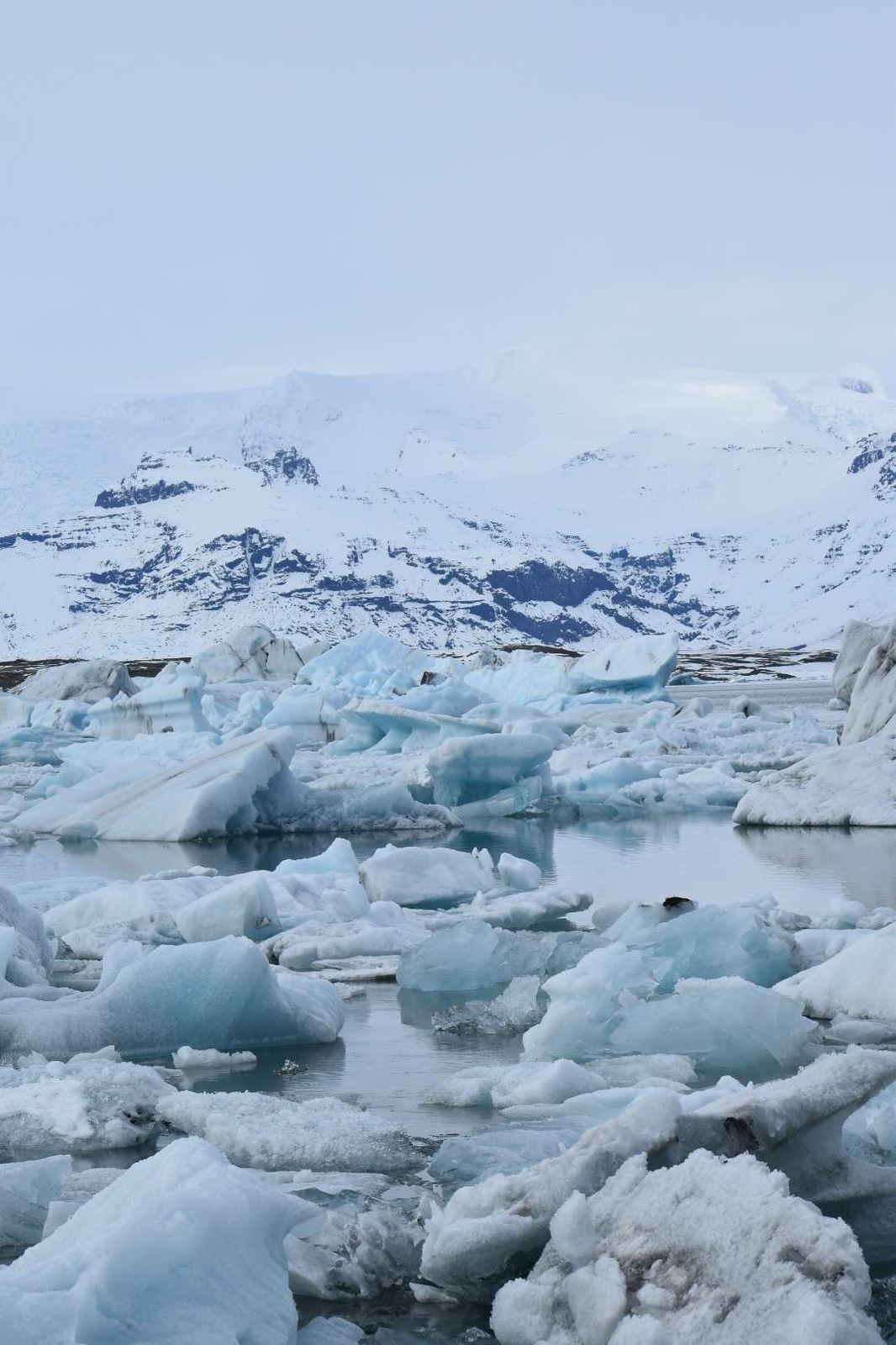
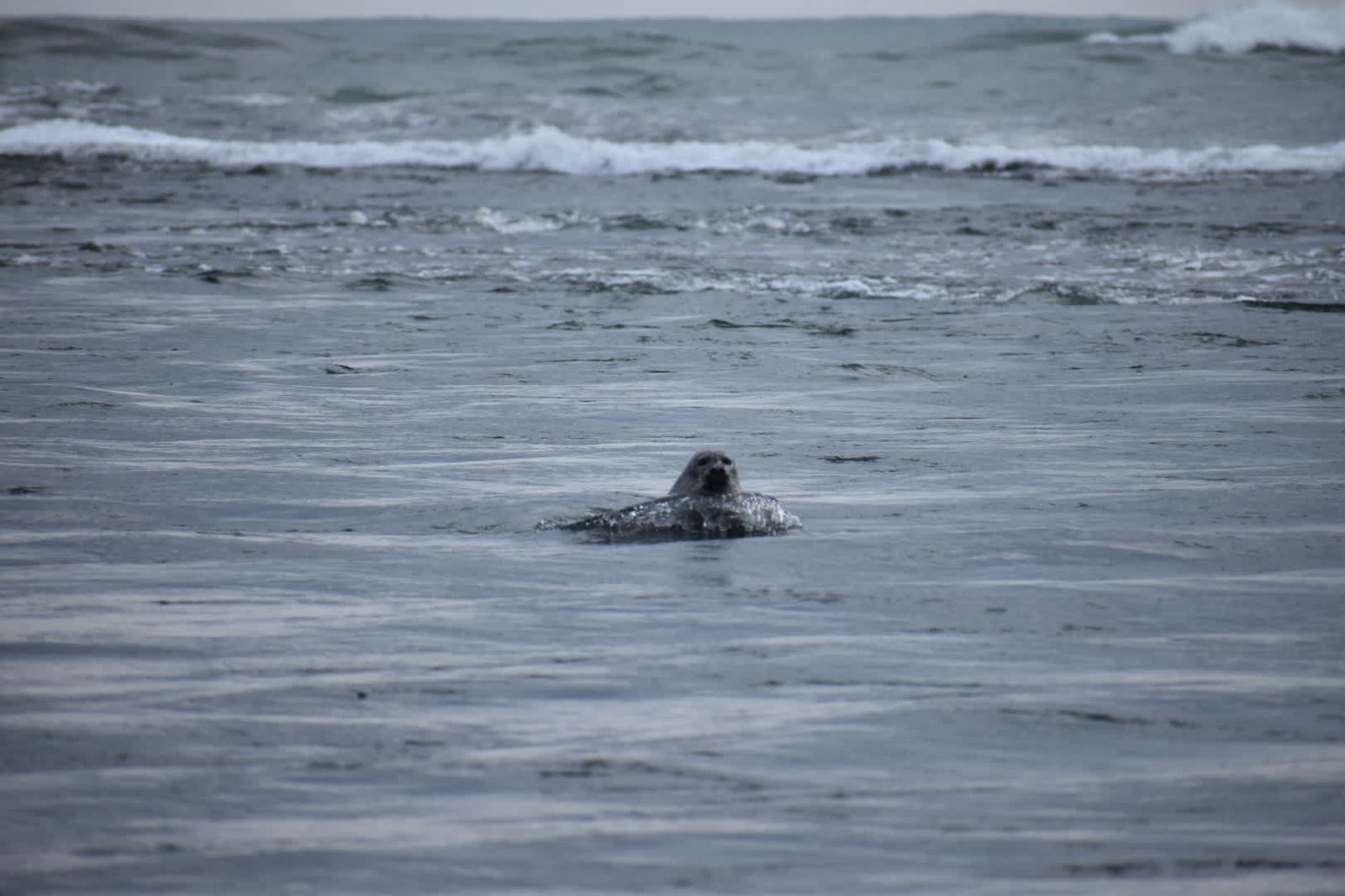
Jökulsárlón glacier lagoon in the morning. Blue icebergs, impossibly blue, floating silently in still water with a wall of mountains behind them. And seals — nobody promised seals. A face surfacing between the icebergs, looking directly at us, then slipping back under. None of us had ever seen one in the wild before.

A seal looked right at us. And then it was gone. Some moments you just hold.

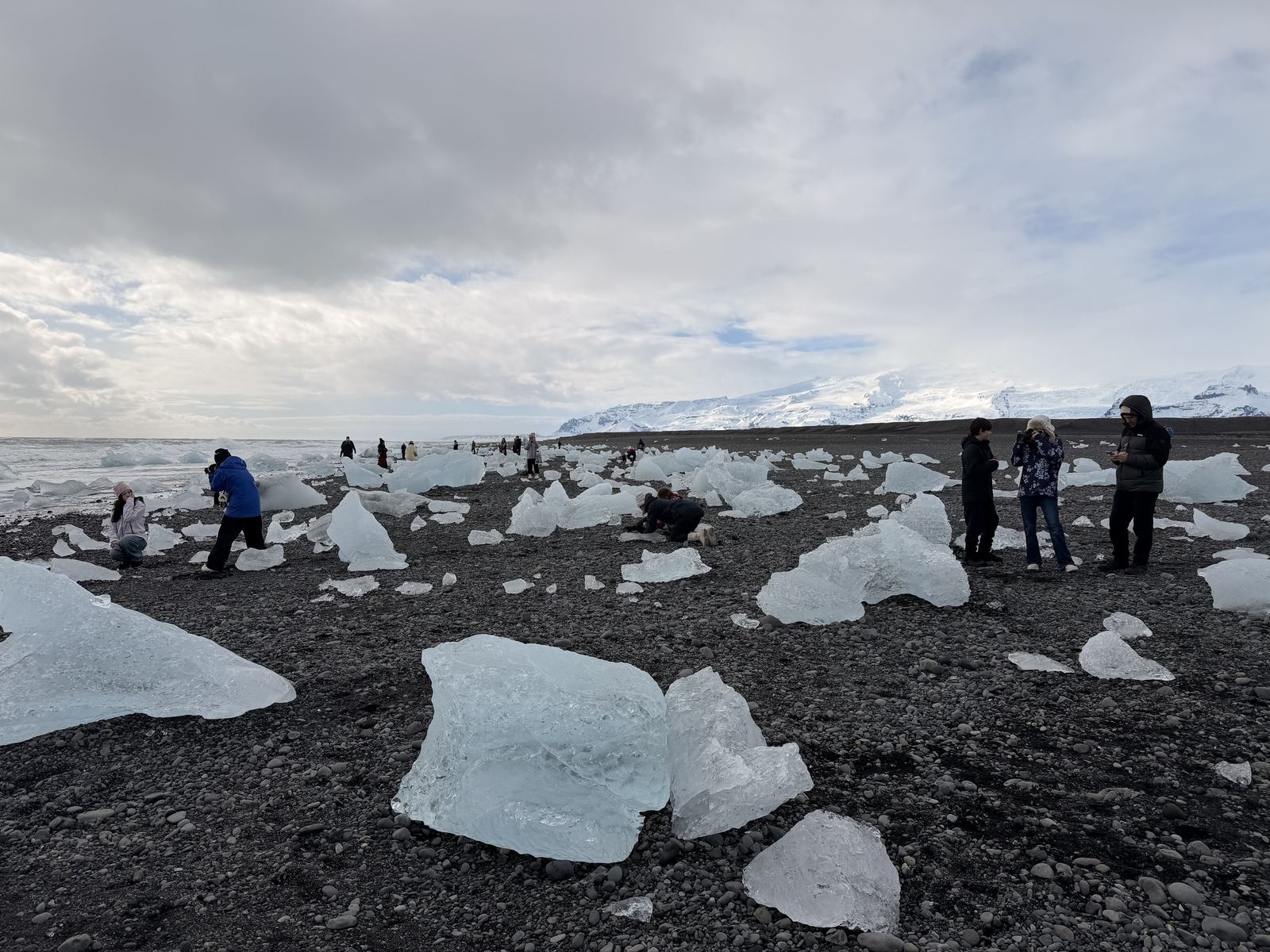
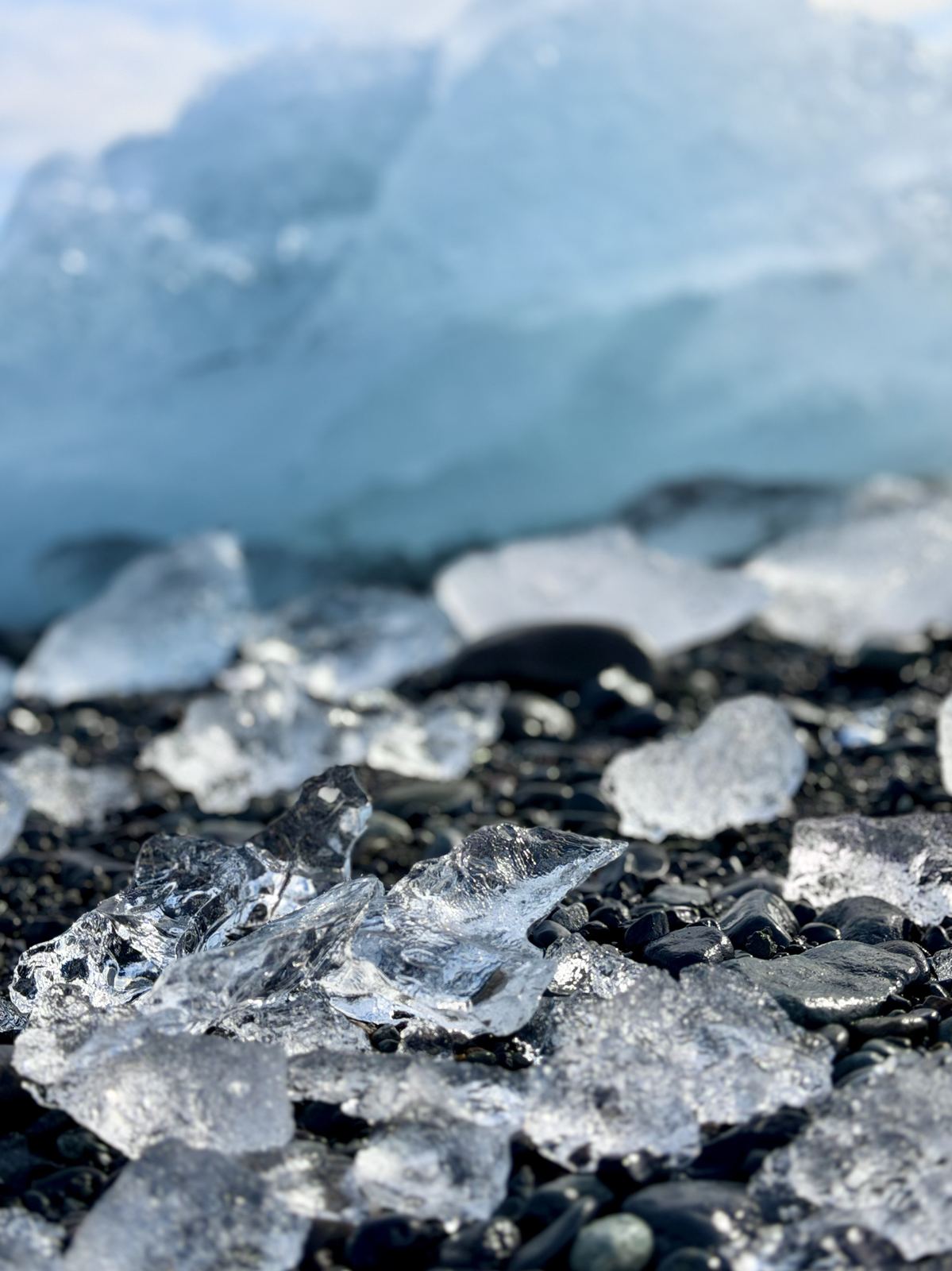
The Diamond Beach sits at the lagoon's outlet, where icebergs travel to the sea and wash up on black sand. In the morning, the beach was full of them — all sizes, some clear as glass, catching the light from every angle. People moved around them carefully, quietly. It looked nothing like the photographs and exactly like the photographs at the same time. When we came back in the evening, the tides had taken every single one. The beach was empty. The same place, completely different.

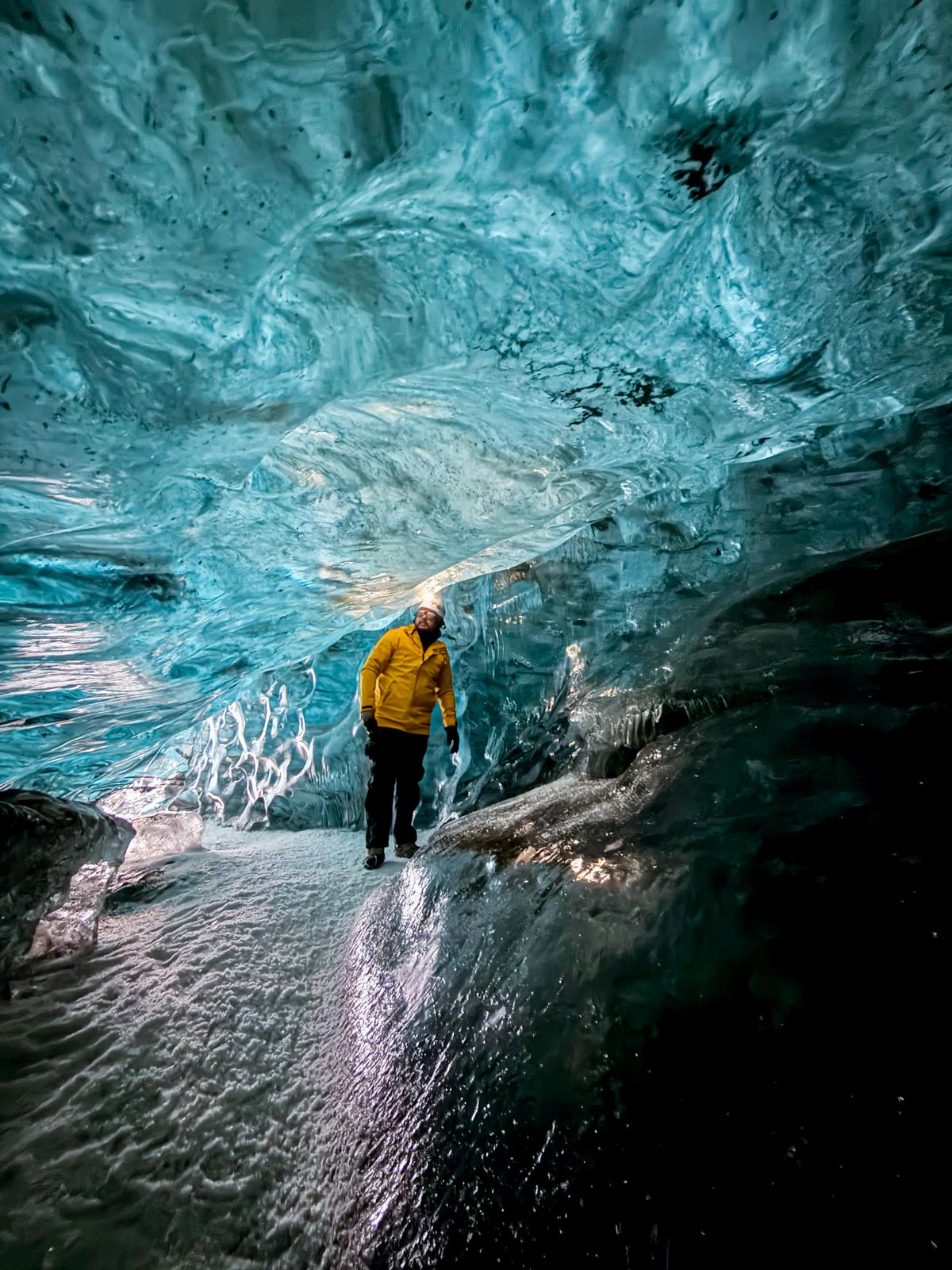
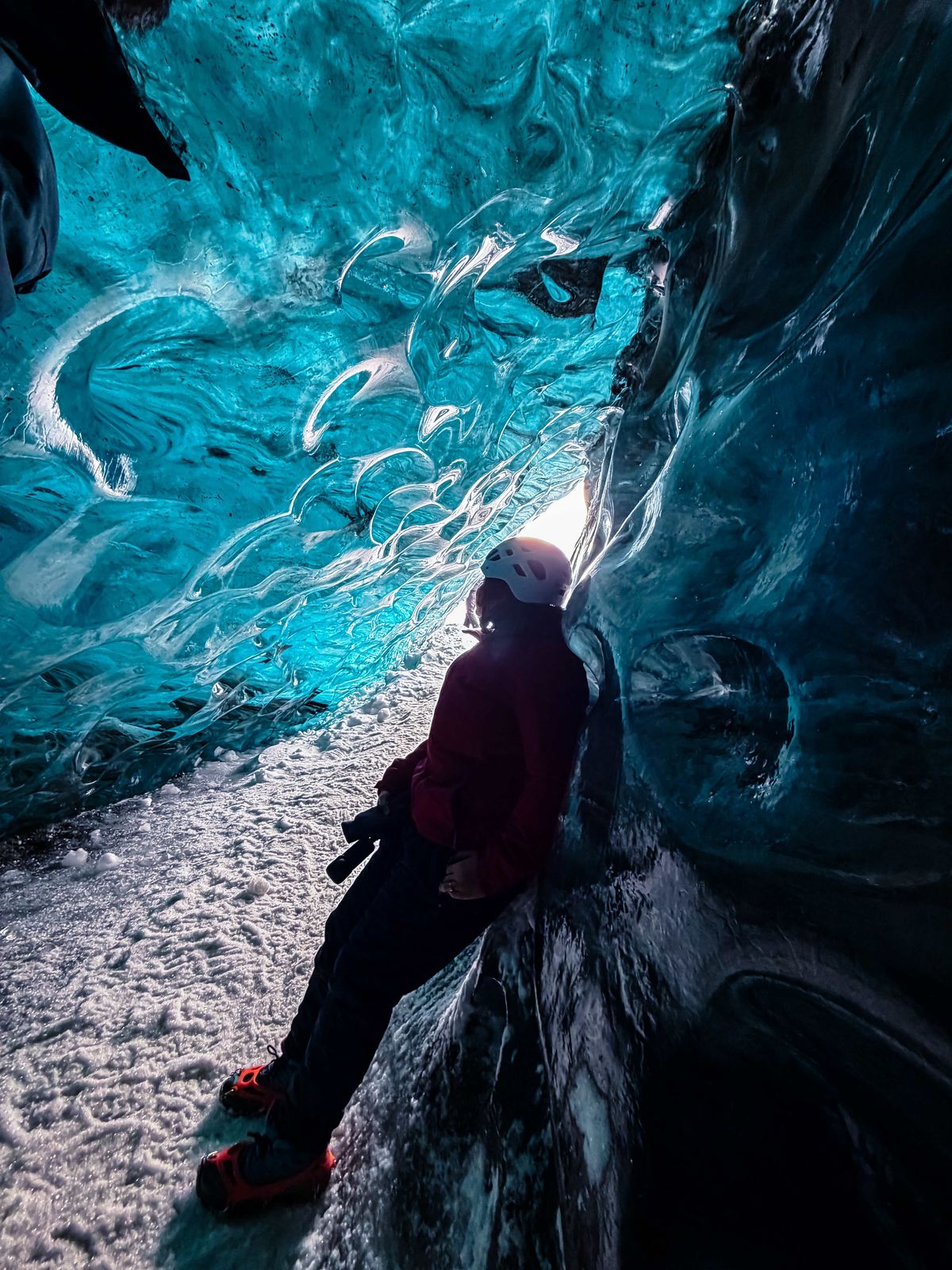
In the afternoon, ice caves. These form naturally over thousands of years inside the glacier, melt away every summer, and return each winter — which means they are never the same twice. We went near the end of the season. Inside, the ice above you glows turquoise and swirls in patterns that look almost carved. Nothing prepares you for it.

Utsav and Sucheta at Jökulsárlón lagoon Jökulsárlón glacier lagoon

At the lagoon · Jökulsárlón — blue icebergs, still water, mountains

Seal at Jökulsárlón

The seal — a face between the icebergs

Crew at Diamond Beach Ice close-up on black sand Diamond Beach wide shot

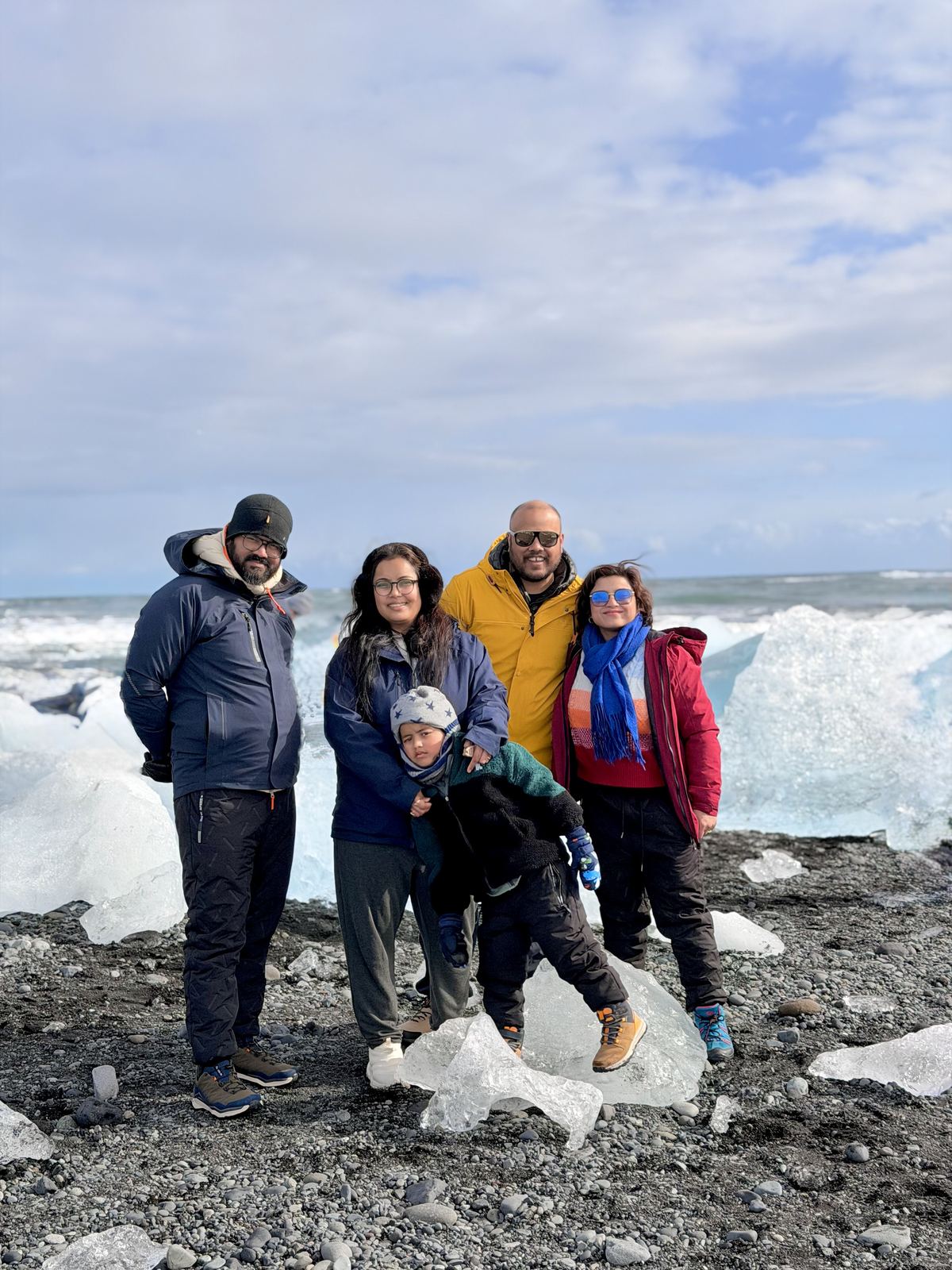
Diamond Beach — the crew · Ice on black sand, up close · The beach, full of icebergs

Ice cave — Utsav inside, blue ceiling Ice cave — looking up at the glacier

Inside the ice cave — ten thousand years of glacier, glowing turquoise

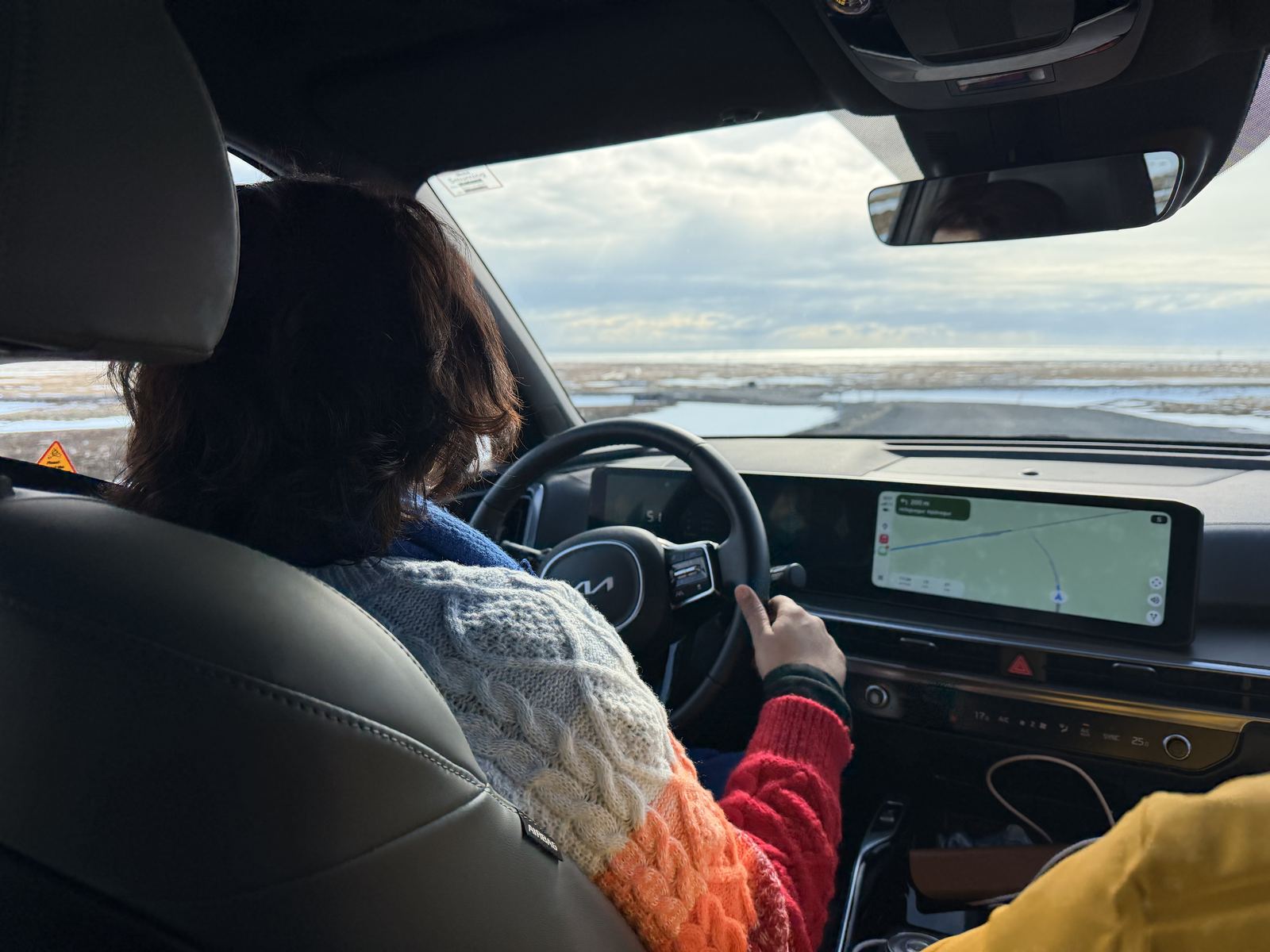
Sucheta driving — colorful knit sweater, icy landscape through the windscreen

En route — the flat white world between the glacier and the coast


06
When Nature Says No
6 April 2026 · Orange Warning
🟠
Orange Warning. Roads Closed.

We'd heard the orange warning was coming. We set alarms, got ready early, planned to be at Vik before it hit. But by 8am the government had already closed the roads. There was nothing to do.

We didn't shoot a single frame that day. We stayed in, watched the weather be wild from the window — wind and snow doing whatever they wanted with the landscape — and quietly hoped the next day would be different.

It was. Sometimes you just have to let Iceland be Iceland and wait.


07
All of Vik in One Day
7 April 2026 · Vik · Reynisfjara · Dyrhólaey · Sólheimasandur

The roads opened. We left early and drove to Vik — the southernmost village in Iceland, perched above a black sand beach with sea stacks jutting out of the water. We'd planned two days here. We saw everything in one.

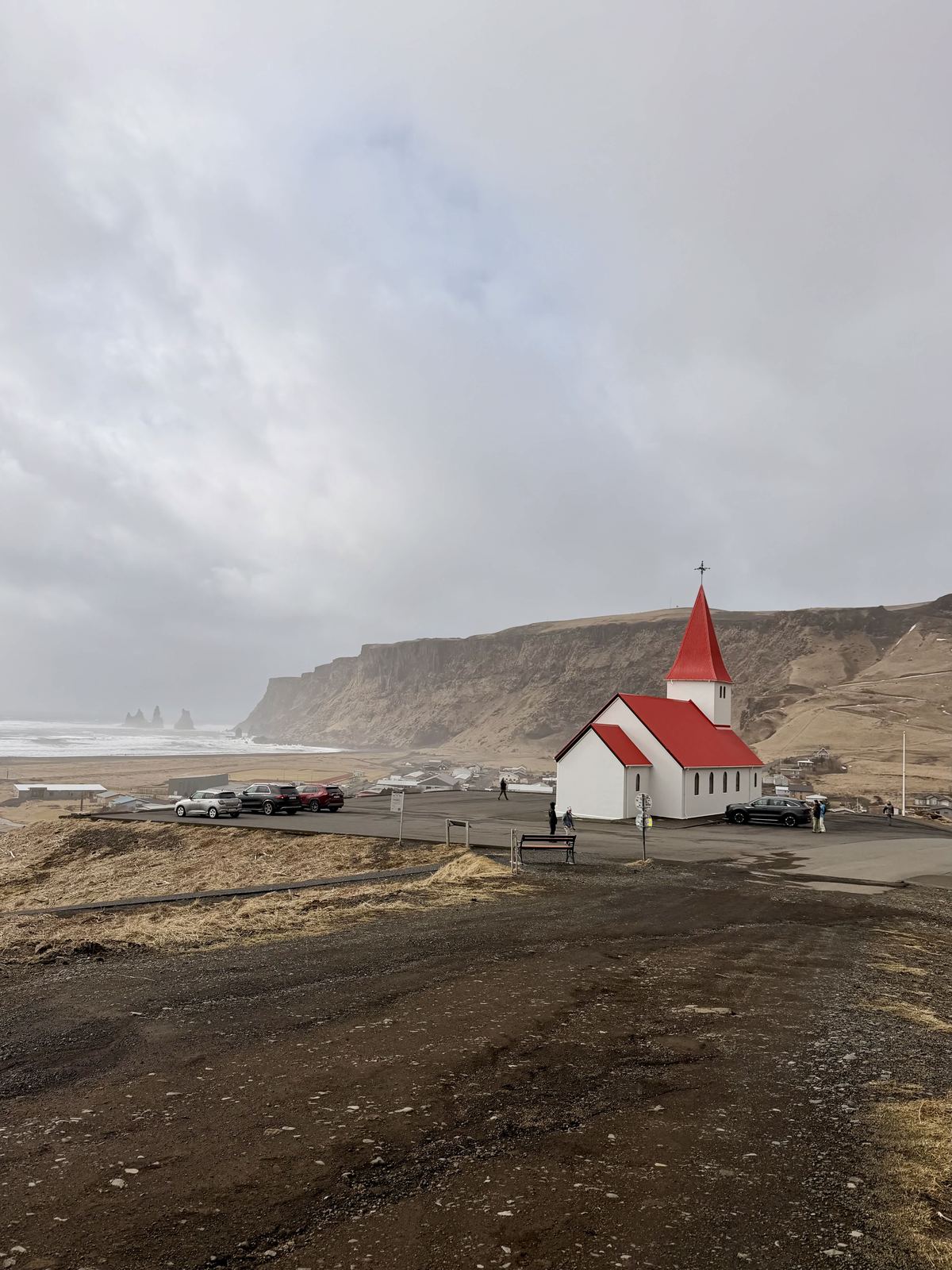
The Vik church first — small, white, with a vivid red roof, sitting on a hill with the entire black coastline behind it. One of those images that looks almost too composed to be real. Then down to the beach. The black sand was unlike any beach — not dark grey, truly black. The waves crash differently here; the ocean feels less friendly, more powerful.

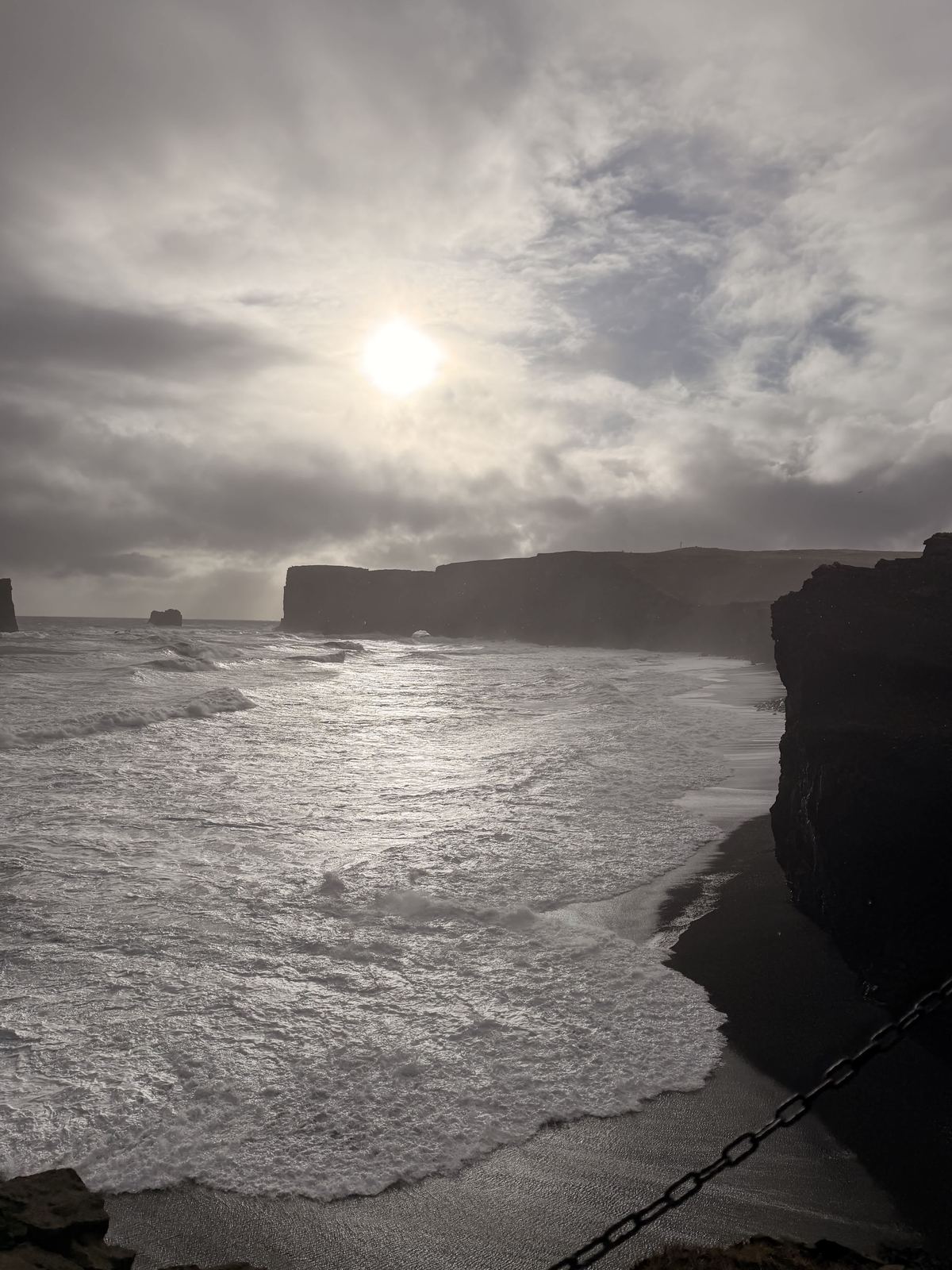
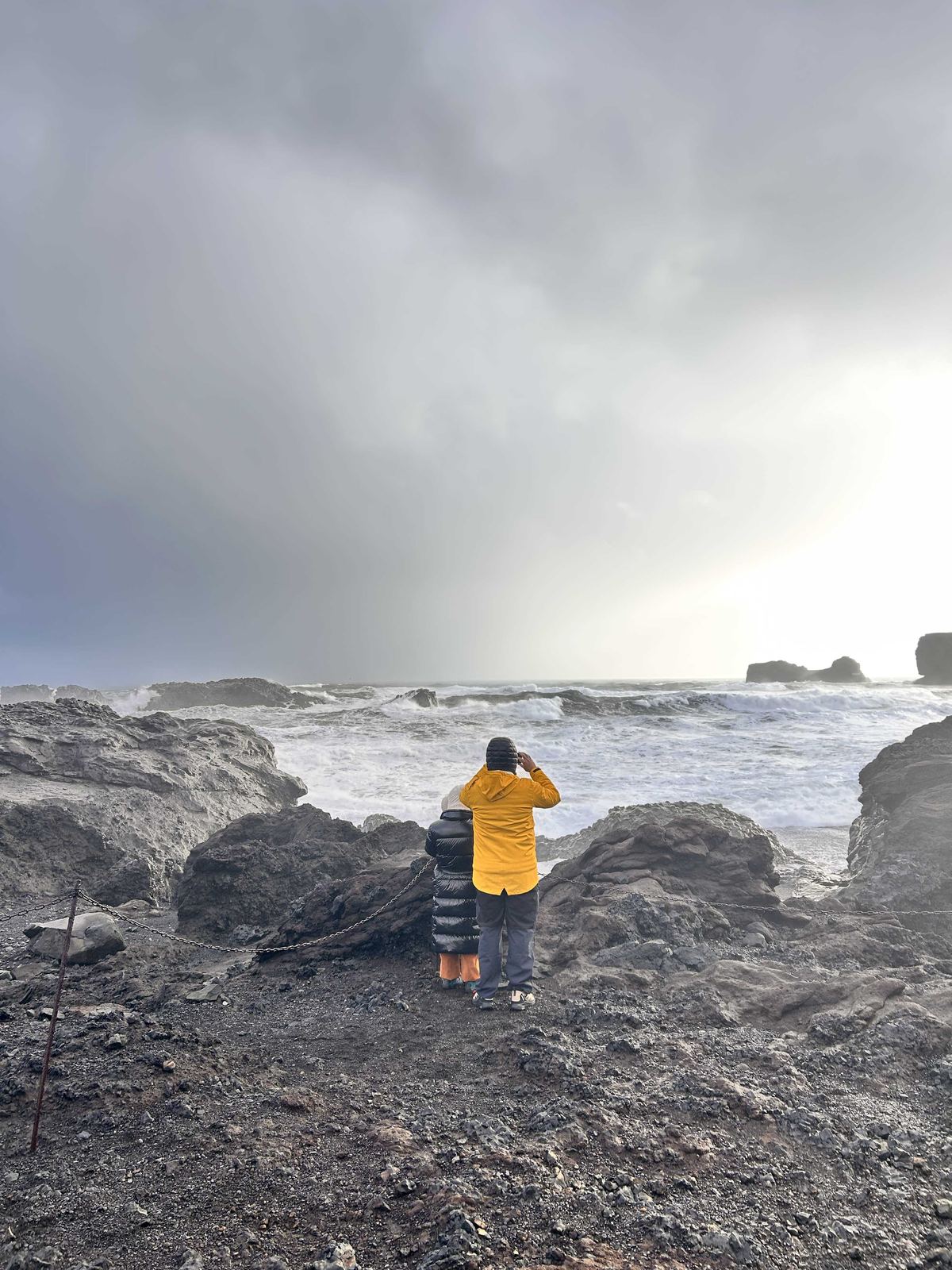
We stood at Dyrhólaey and watched the ocean hit the rocks for a long time. Nobody said much. There was nothing to say.

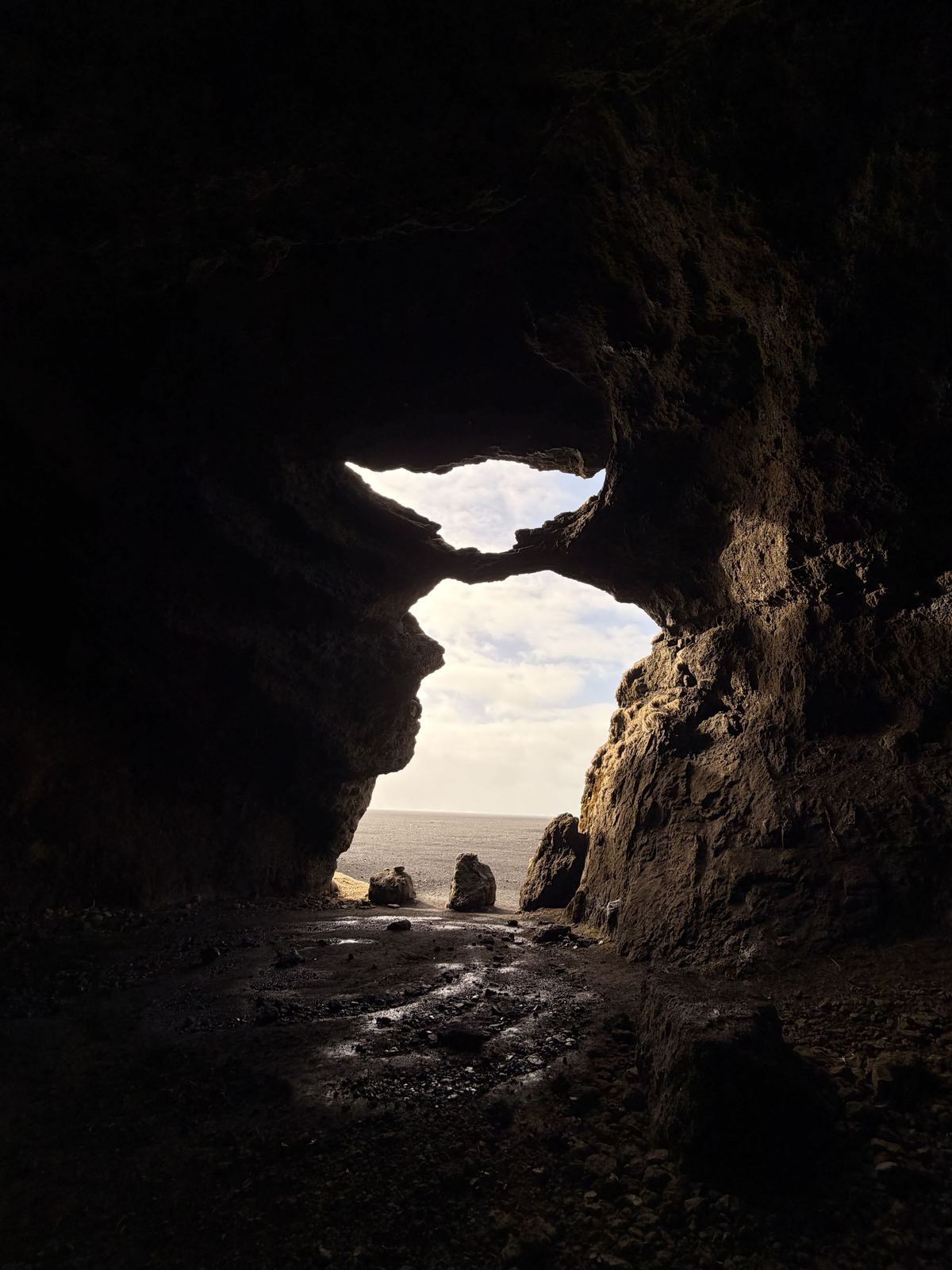
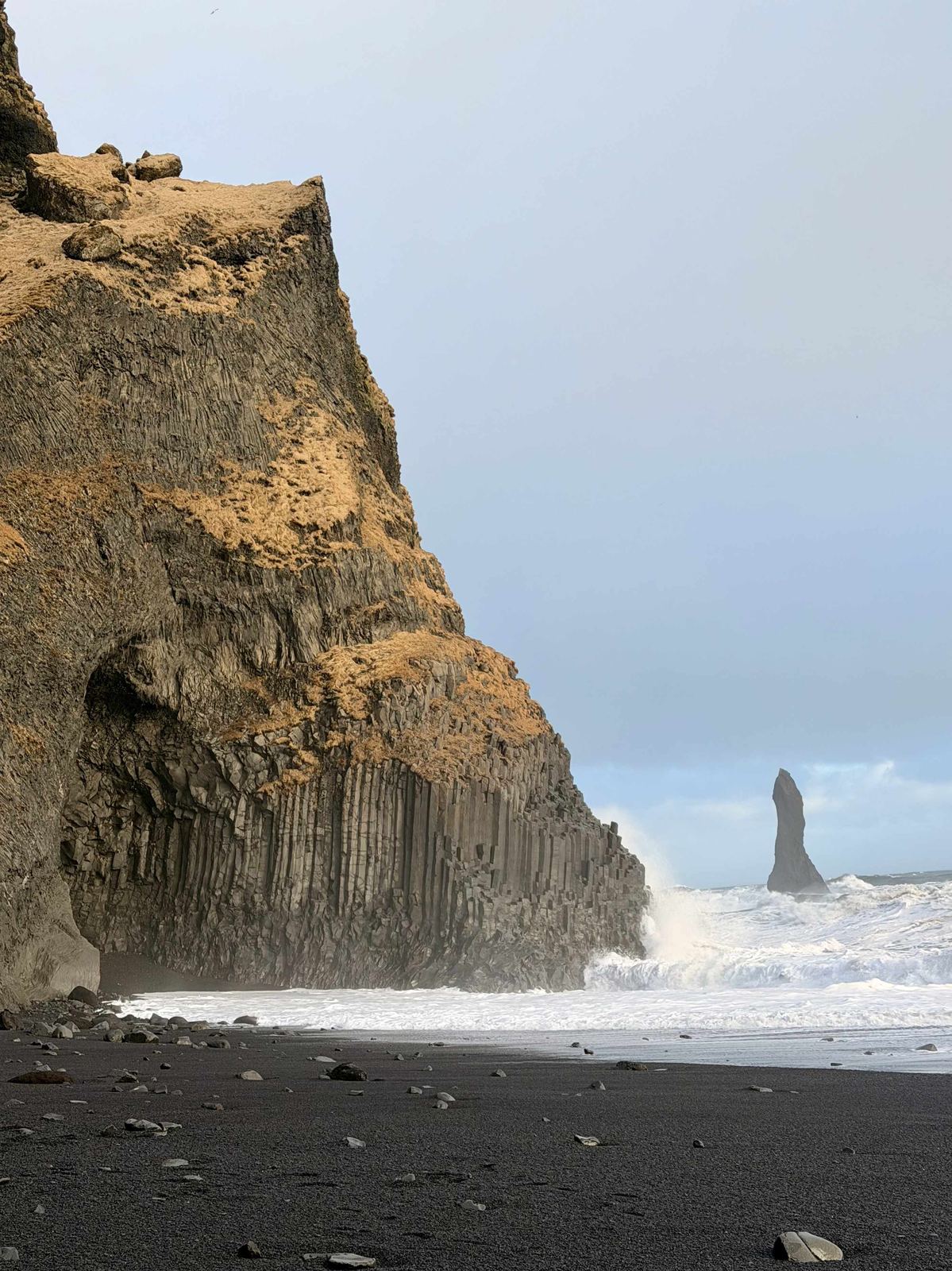
There are places around Vik that don't appear in any travel guide — small pull-offs, unnamed viewpoints, roads that seem to lead nowhere but open into something extraordinary. We found a few. Then the Yoga cave, carved by the sea into the cliff face, its mouth framing two rocks and the ocean perfectly. And Reynisfjara, with its towering hexagonal basalt columns and the lone sea stack in the distance.

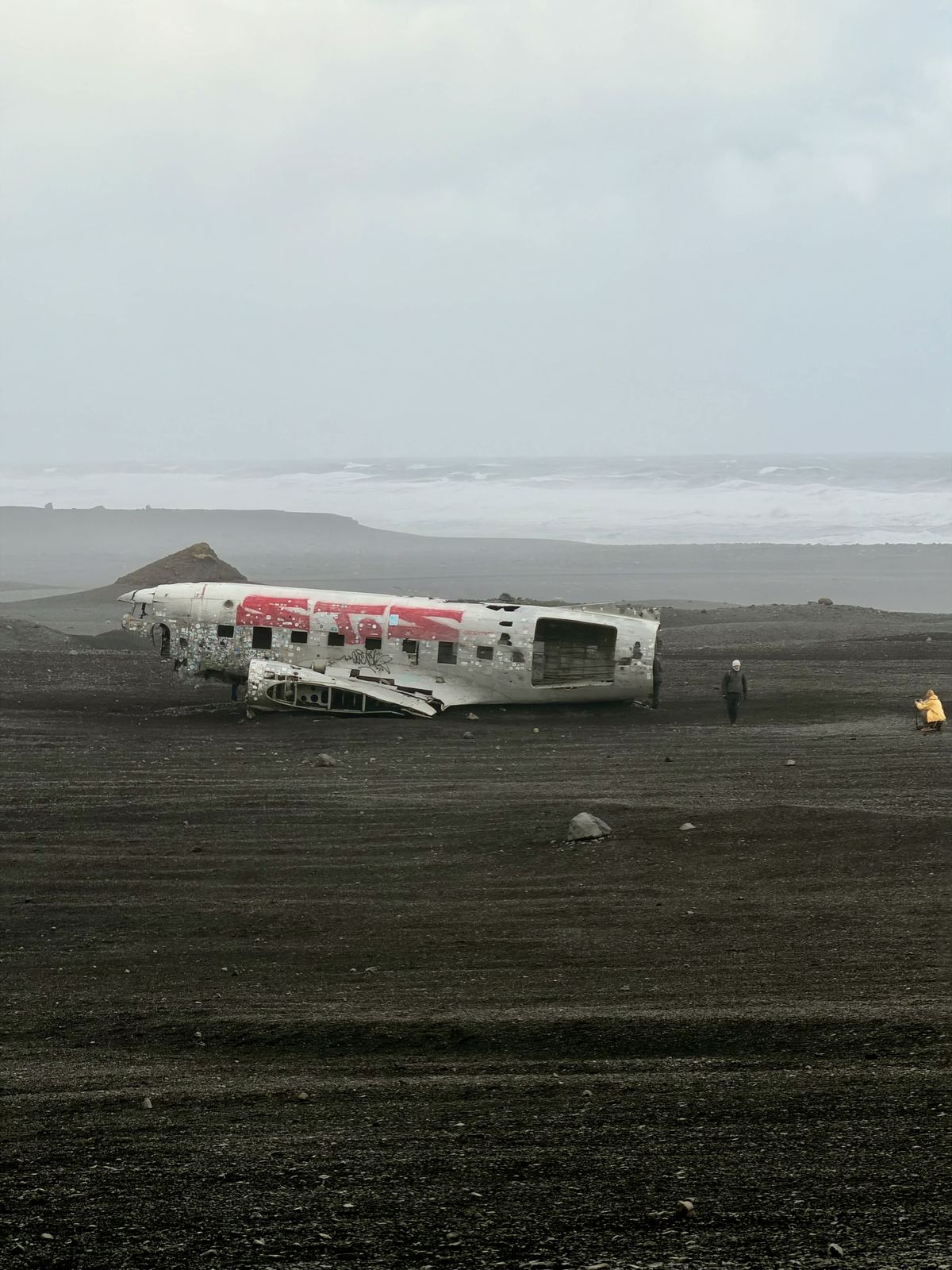
The plane wreck at Sólheimasandur sits in the middle of the black sand, abandoned, partly graffitied, utterly surreal. You walk out to it across a flat, dark expanse and it still doesn't look real when you arrive.

Vik church — white with vivid red roof on the hill, black beach behind

Vik church — red roof, black beach, grey sky. Iceland in one frame.

Sucheta and Utsav on the black beach, laughing, wind in hair Dyrhólaey — sun breaking through clouds, silver light on the ocean and black cliffs

On the black sand, wind doing its worst · Dyrhólaey — watching the ocean

Sólheimasandur plane wreck on black sand

The Sólheimasandur plane wreck — abandoned on black sand since 1973

Yoga cave — dark cave, two natural rock openings framing the sea and rocks Reynisfjara — towering basalt columns, lone sea stack in the distance Standing at the ocean's edge, watching the waves — Dyrhólaey

The Yoga cave · Reynisfjara's columns · Standing at the edge

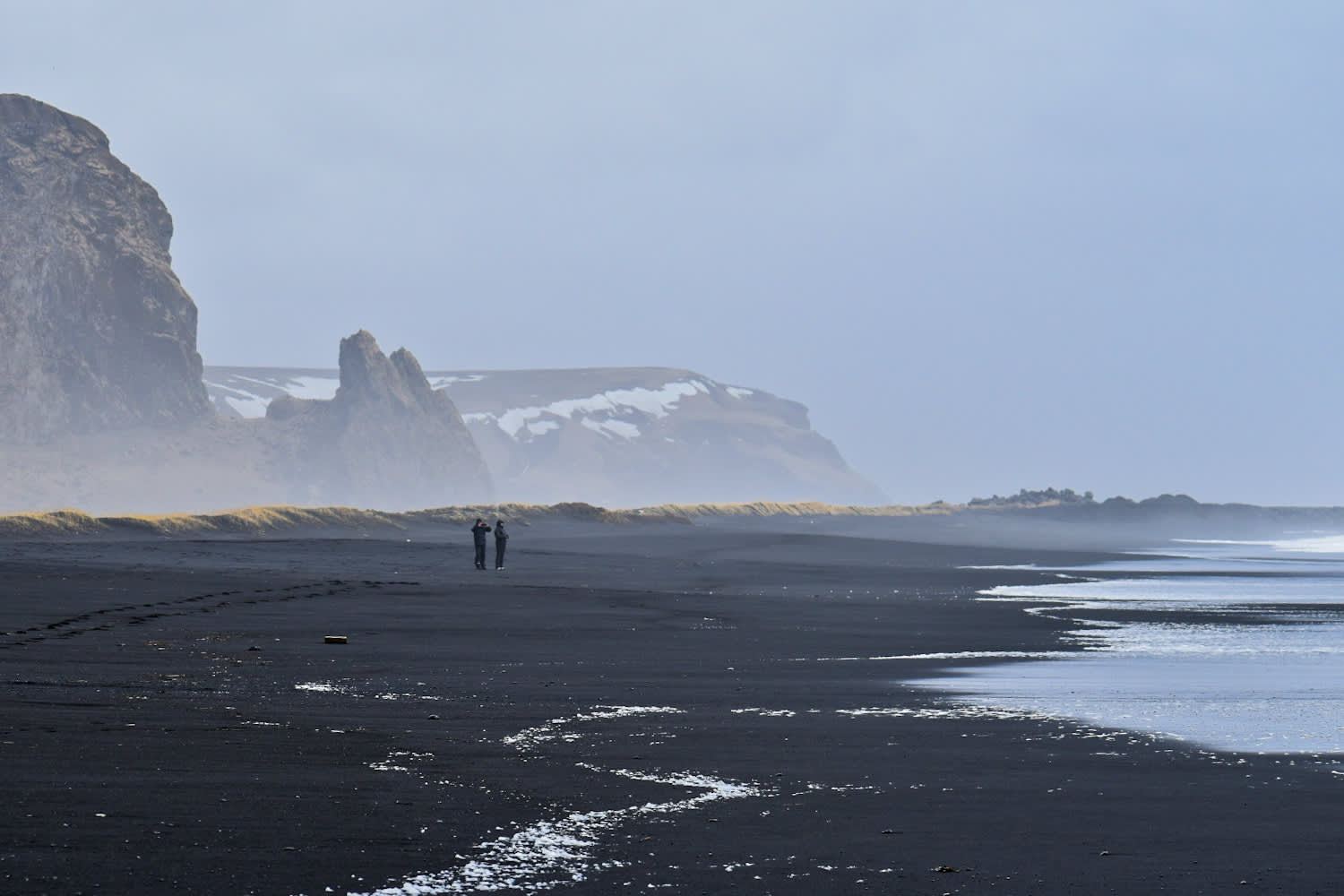
Two tiny figures on the vast misty black beach — the scale of Iceland

Two small figures, one vast beach


08
Back to Reykjavik. Blue Lagoon. Done.
8 April 2026 · Reykjavik · Hallgrímskirkja · Blue Lagoon

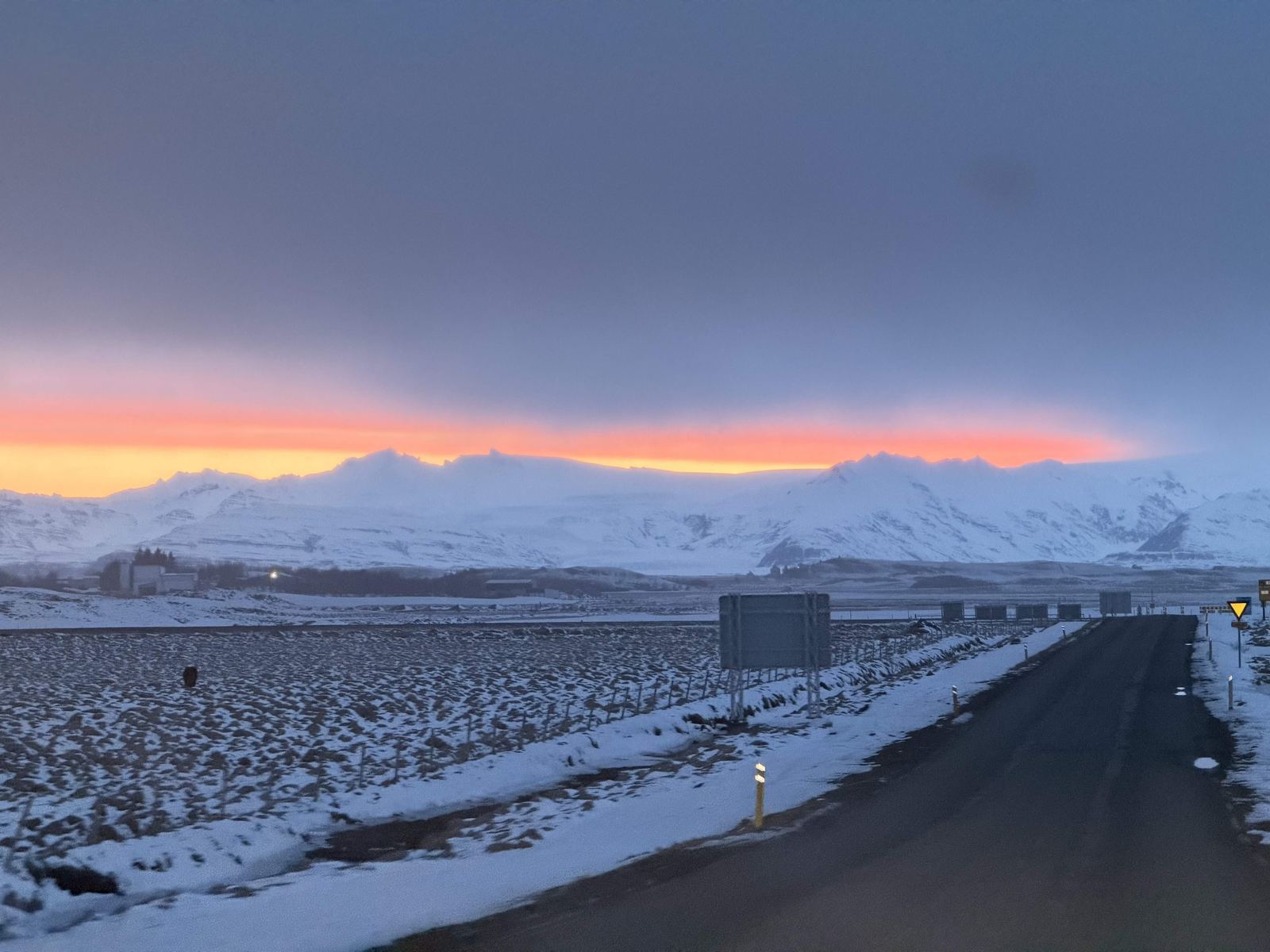
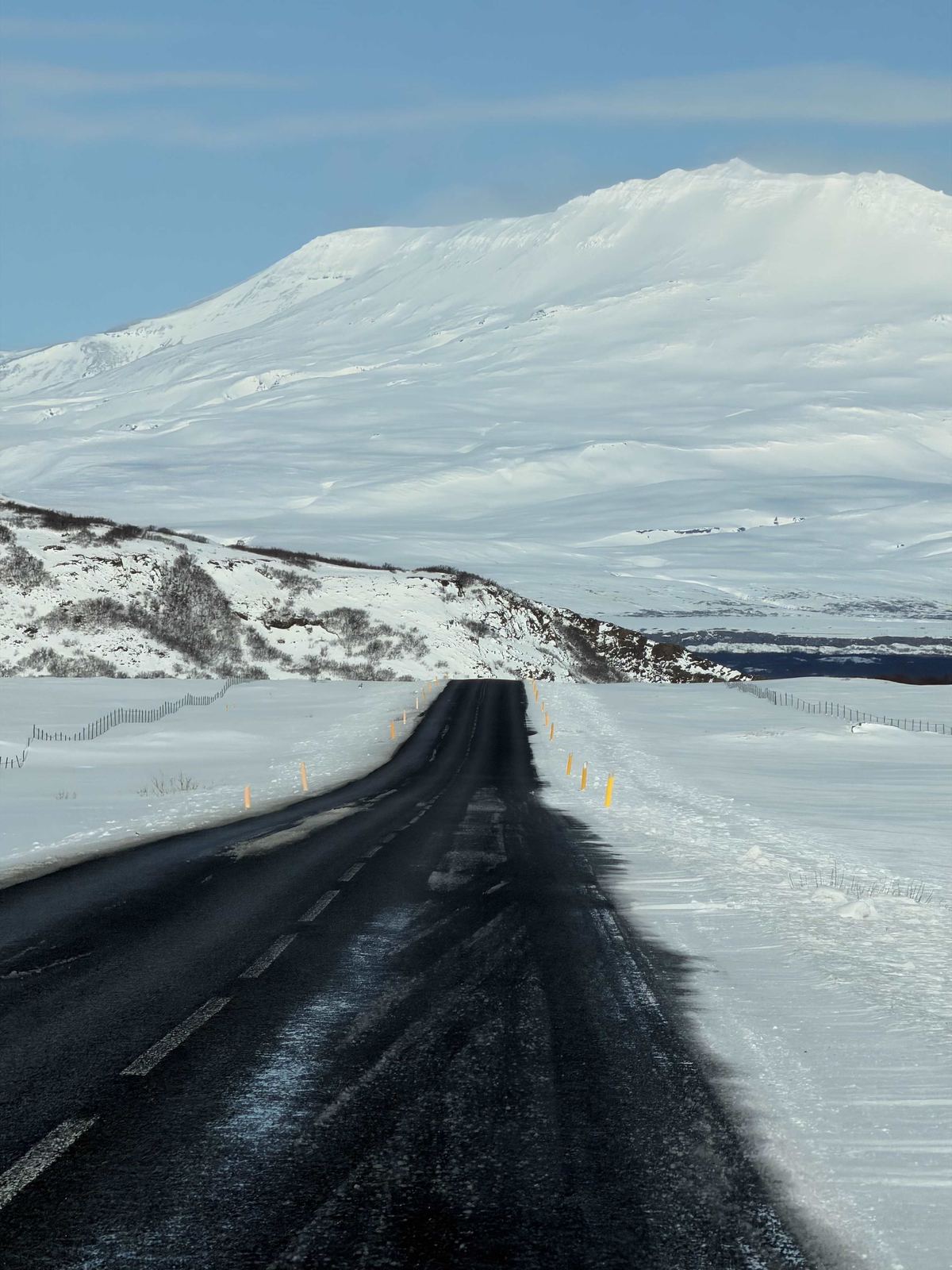
The last full day. We drove back towards Reykjavik, and the road was everything Iceland does well in one long frame — a straight black line through white, mountains filling the windshield, blue sky doing something dramatic above it all.
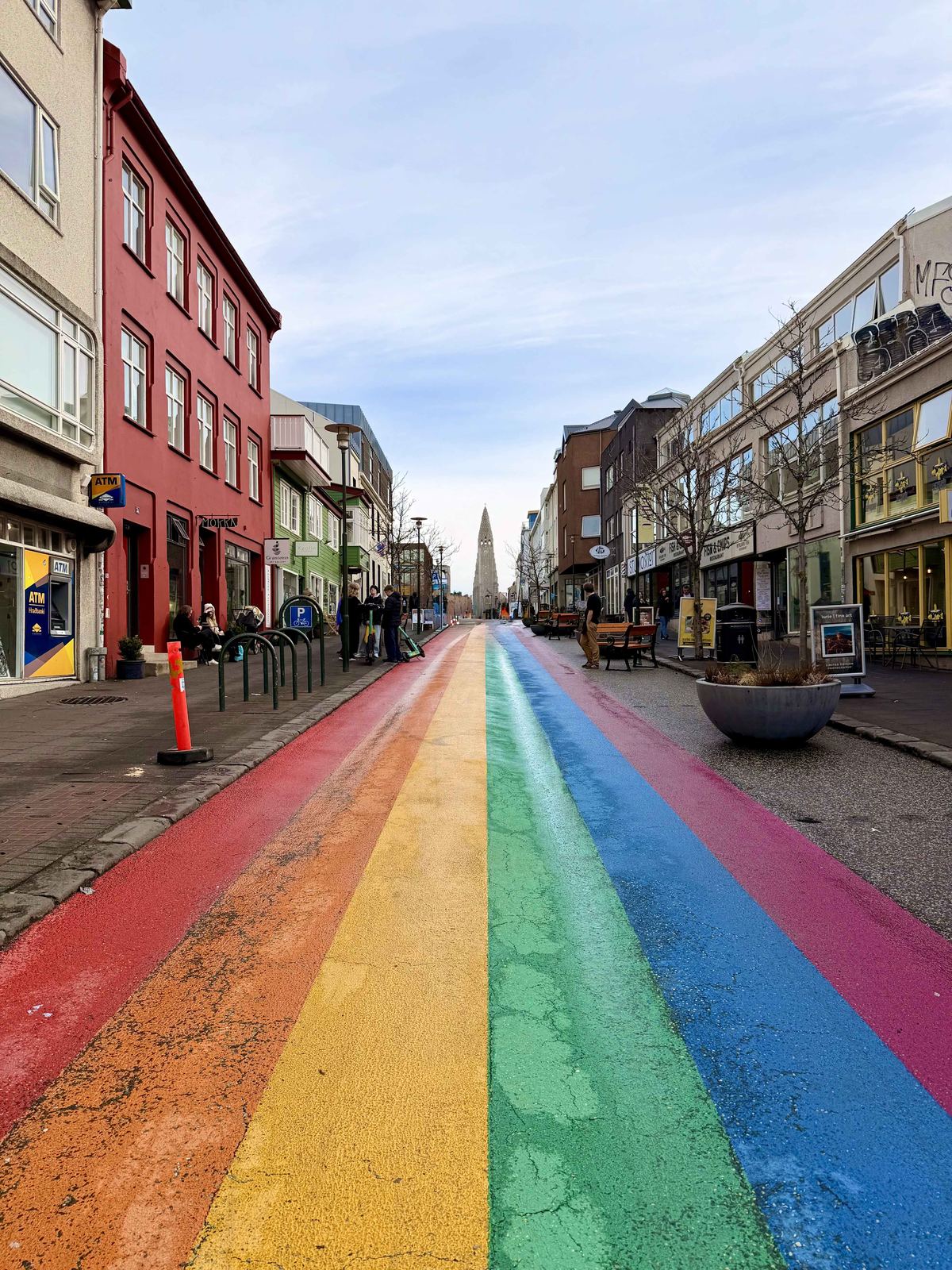
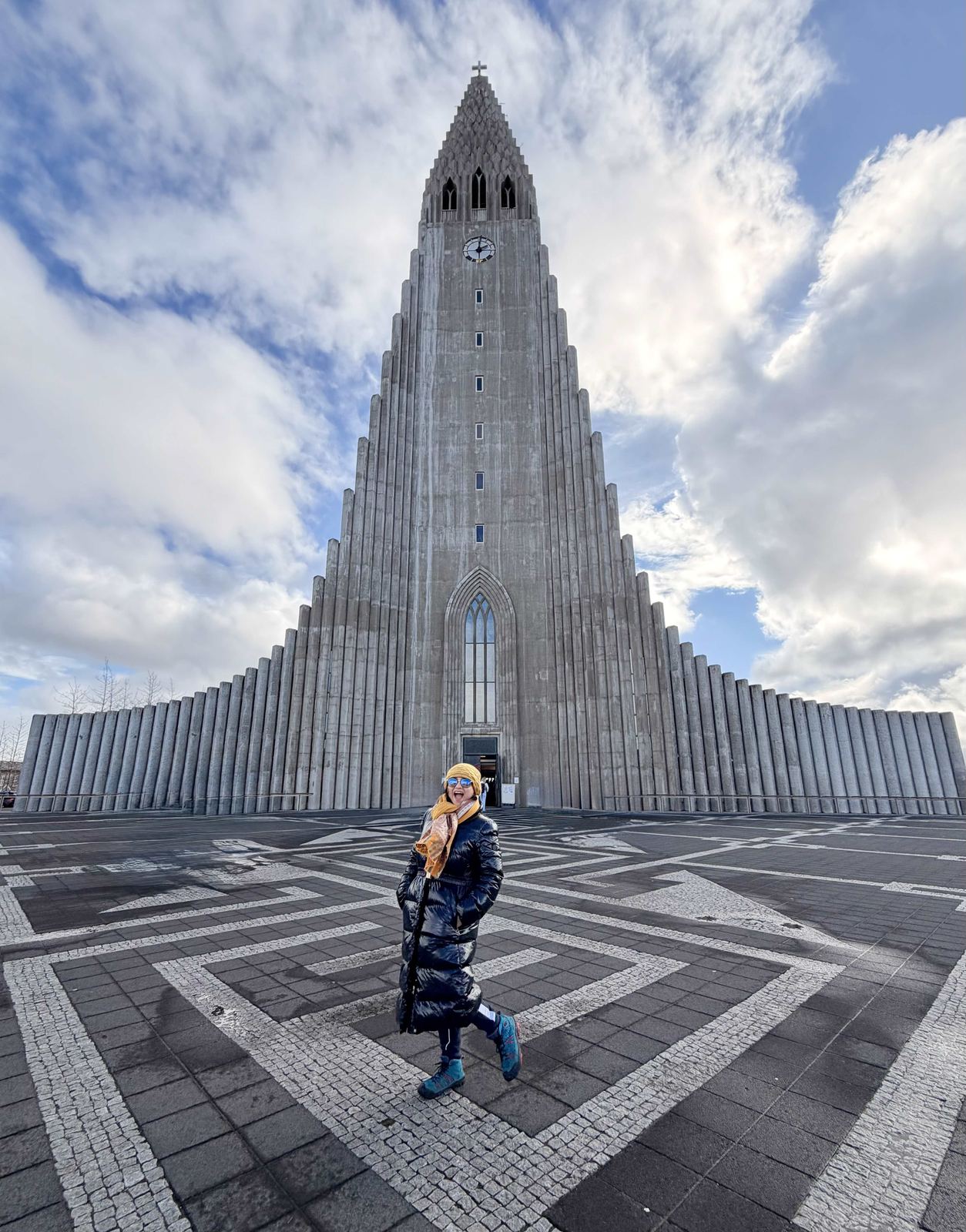
The city felt like a gentle landing after days of wilderness. Hallgrímskirkja first, the great church that looks like it was designed by the same forces that made the basalt columns — and in a way, it was, its architect drawing directly from that landscape. We walked Rainbow Road, the famous painted street that leads straight to it. Had good food. Walked slowly.

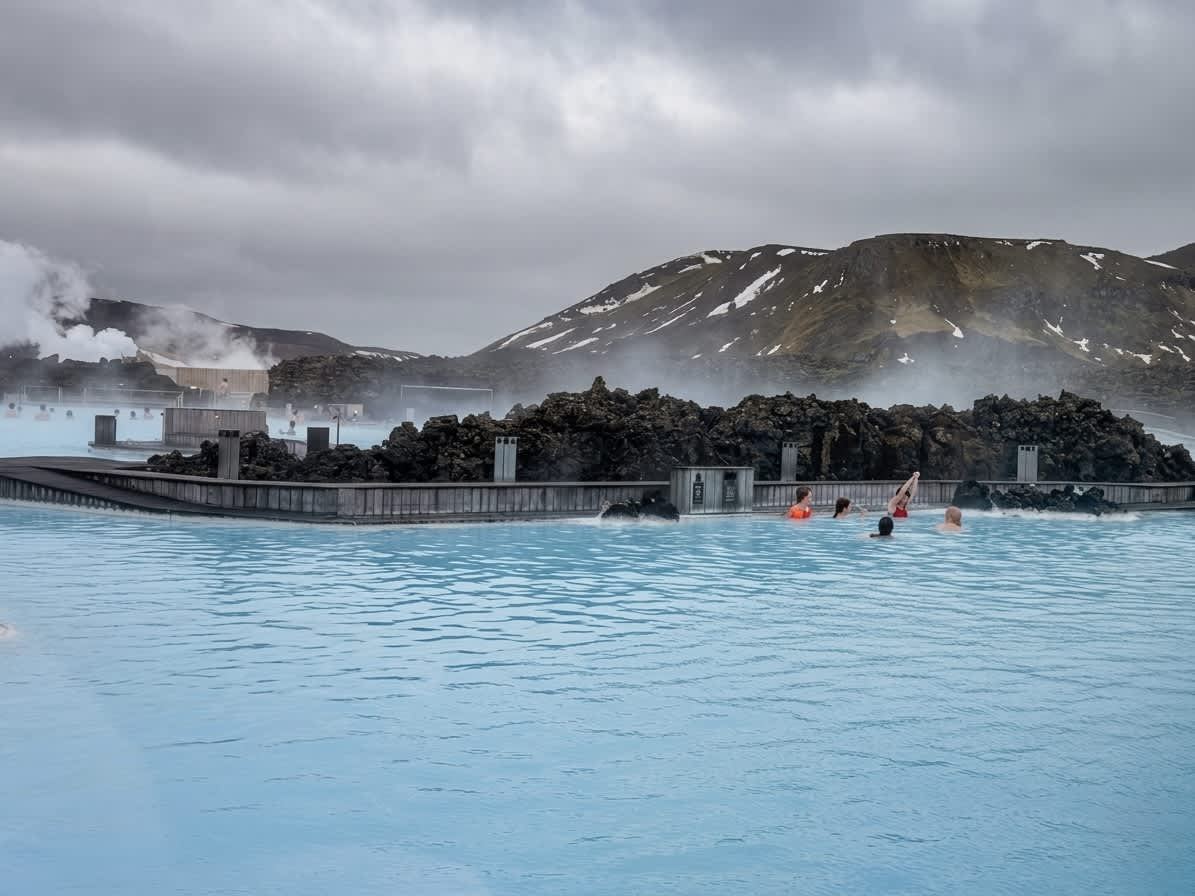
The Blue Lagoon at the end of a trip like this is exactly the right idea. Warm water. Milky blue. Steam rising. Clouds doing their thing above. Nobody moving very fast.
The next morning, we left for Munich at 6am. Nine days in Iceland, most of them unpredictable, some of them frightening, all of them extraordinary. The trip had been on the list so long it had become a running joke. It turned out to be worth every year of waiting.

Road back to Reykjavik — straight black road through snow, massive white mountain ahead

The road back — Iceland giving one last long look

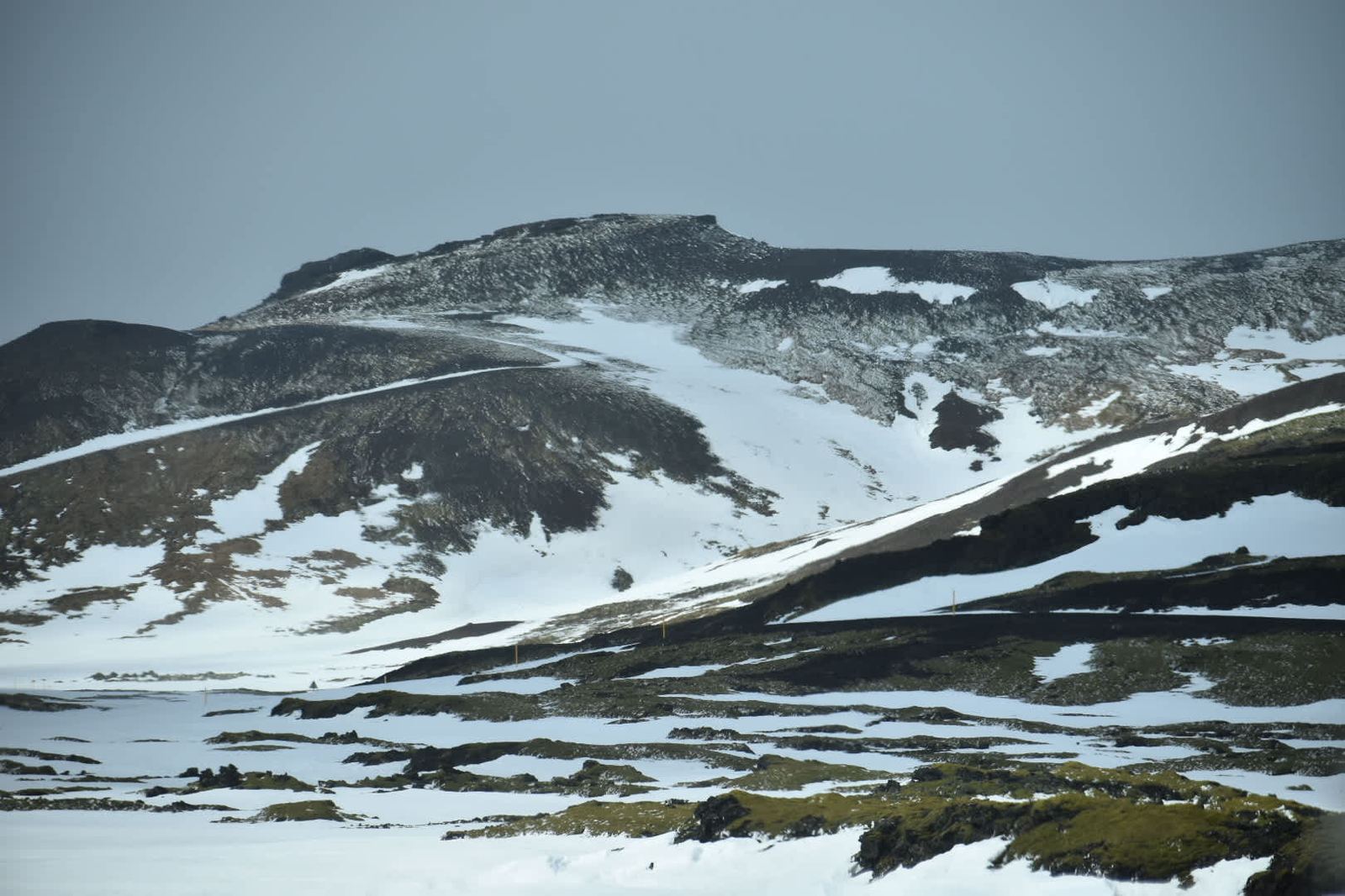
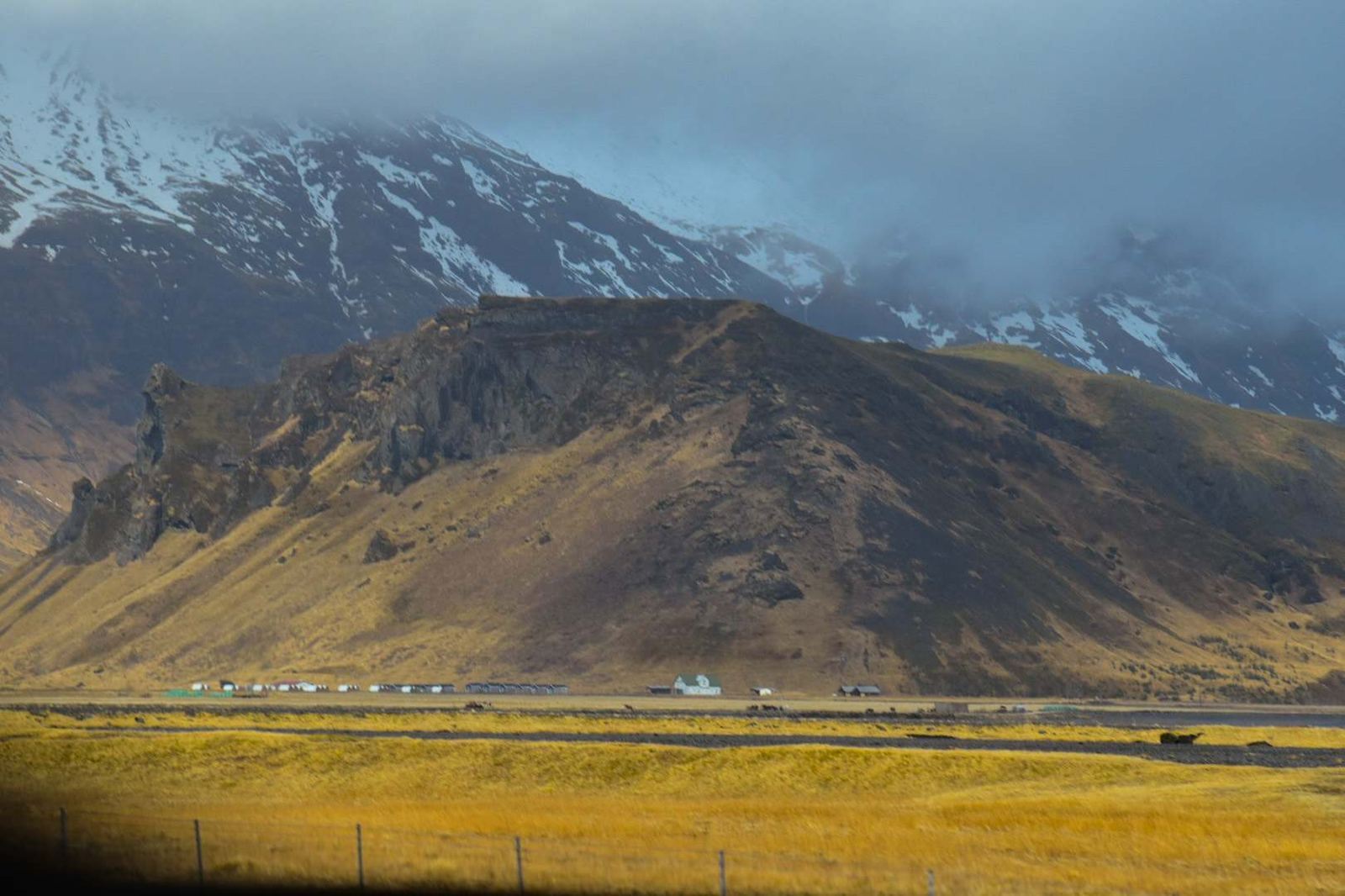
Snow and lava landscape near Reykjavik — dark volcanic rock through white Golden countryside en route — warm fields, dramatic mountain, small farm

Snow and lava · The last golden fields before the city

Rainbow Road — Skólavörðustígur with Hallgrímskirkja framed at the far end

Rainbow Road — Skólavörðustígur, with Hallgrímskirkja at the end of it

Sucheta at Hallgrímskirkja — yellow hat, blue sunglasses, big smile

Hallgrímskirkja — and the feeling of being exactly where you're supposed to be

Blue Lagoon — milky blue geothermal water, steam rising, dark lava rocks

Blue Lagoon — the perfect ending


April 2026
"So powerful. So magical.
And we, at the mercy of it."
Iceland in shoulder season looks nothing like the photographs you've seen. It looks like something older and less certain — snow where there shouldn't be, light that arrives sideways, weather that closes roads and opens skies in the same afternoon. We were nervous a lot of the time. We panicked occasionally. We also stood behind a waterfall at sunset, saw the northern lights twice, found a seal in a glacier lagoon, and drove through a white-out on pure gut feeling. We'd do it all again.